I survived my first speaking gig, and I think it went well. People asked a lot of good questions afterward and I sold a couple of books. But there’s something I’m going to have to get used to, and that’s being thanked for telling my story.
Usually, when I share my story, it’s to a group of people who have had similar issues, or at least one of them. Or I’m writing it, which can be seen by anyone but it’s not so personal. But this was my first experience of people coming up to me and throwing around words like “brave” and “courage.”
I don’t feel as if I’m being brave. To me, being brave means doing something scary, and putting my story out there is something I’ve done so much now that it’s not scary. Maybe it was brave in the beginning? I don’t know. But I’ll try to take such words in the spirit intended, because it doesn’t feel good to people to have their compliments brushed off.
And I’ll gladly take the thanks, because what I’m trying to do when I speak is intended to be of service, and a thank you means that I succeeded in some way.
I have a lot to say; the challenge is going to be condensing it into twenty minutes and remembering it when I’m up at a podium.
A writer friend of mine has hooked me up with a couple of small, local speaking gigs. I’m excited, because I actually like public speaking. It seems strange for someone who occasionally gets “deer in headlights” syndrome over small talk at a cocktail party to like speaking to groups, but there it is. I think it’s because I have a specific topic and I can focus on talking without navigating the balance of a back-and-forth conversation (am I talking too much? not enough? is my facial expression appropriate? am I missing a cue that they want this conversation to be over?) Like with many neurodivergent people, this kind of thing is a challenge for me. But even conversations can work all right for me as long as we’re on a topic I have something to say about..
So yes, a podium and a captive audience. It’ll be fun. I just need to plan an outline if what I want to say, and be mindful of time. You’d be amazed how fast time can go by. I’ve seen it a lot in meetings where someone is supposed to tell their addiction and recovery story, and doesn’t have time awareness, and runs out of time while their past self is still doing drugs. Oops.
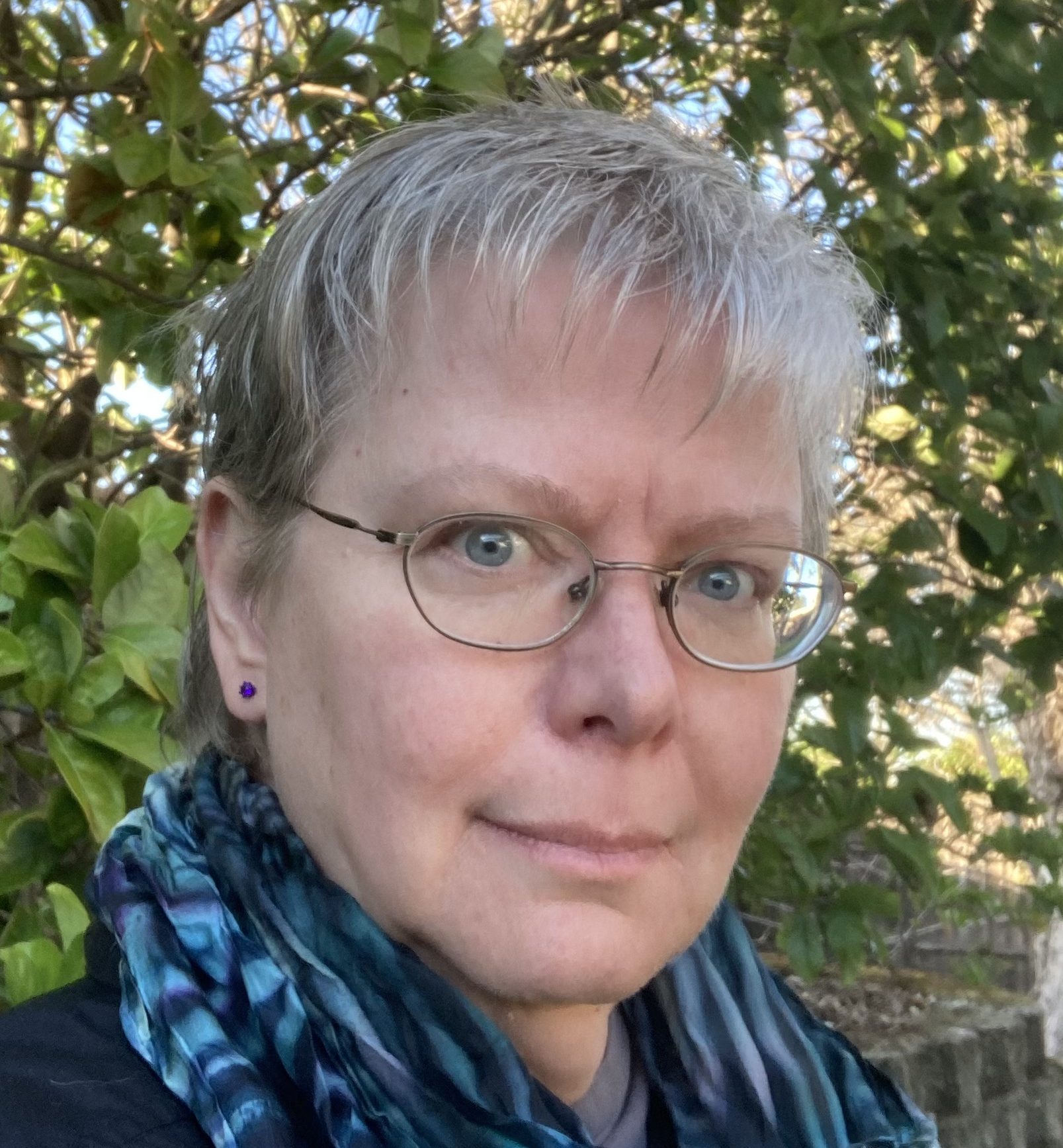
I’m Lori Lynne Armstrong, writer, poet, scientist, former counselor, recovering drug addict, mother, person with bipolar disorder, science fiction geek, and a bunch of other things. The order in which all of these manifest varies wildly. I’ve written two books so far and plan many more. I almost wrote no books, because I almost died back before getting clean in 2011. Today I manage my conditions as responsibly as I can and write in ways that try to reach out to others and reduce stigma and shame.
Scroll down through the blog to see snippets of my life as I navigate the maze of writing and living in a complicated mental and emotional landscape. I like to share my process to make others feel less alone.
And click on the links below to access my books on Amazon and Kindle! They’re very good. I hope something in them makes you feel more seen or see others in a new light. I think it will.
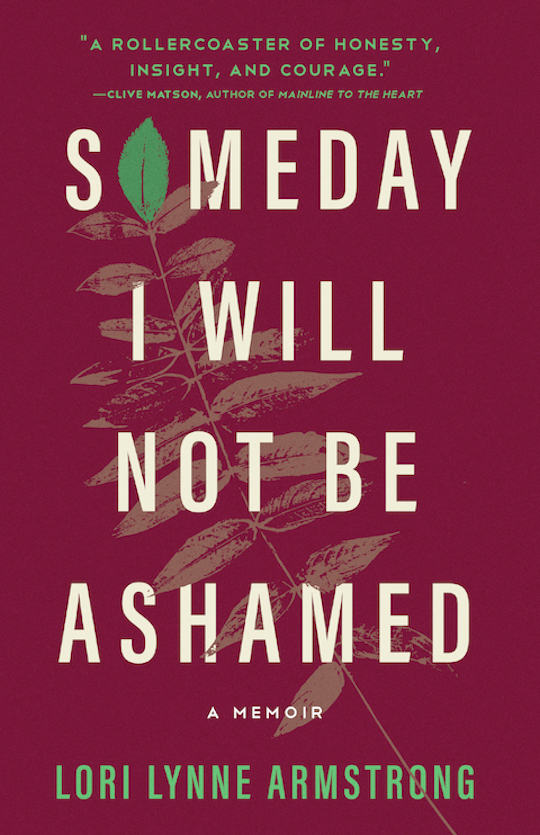
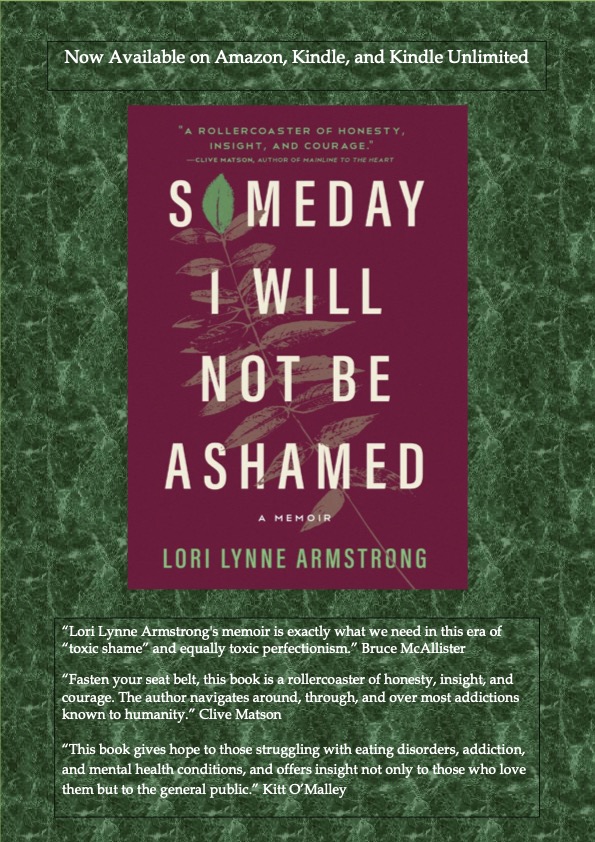
My story of a self-destructive quest for perfection that led me from aspiring scientist to opioid addict, from the halls of M.I.T. to the corridors of the psych ward, from therapist-in-training to a therapist’s problem patient, and, at last, beyond shame to an unlikely self-acceptance.
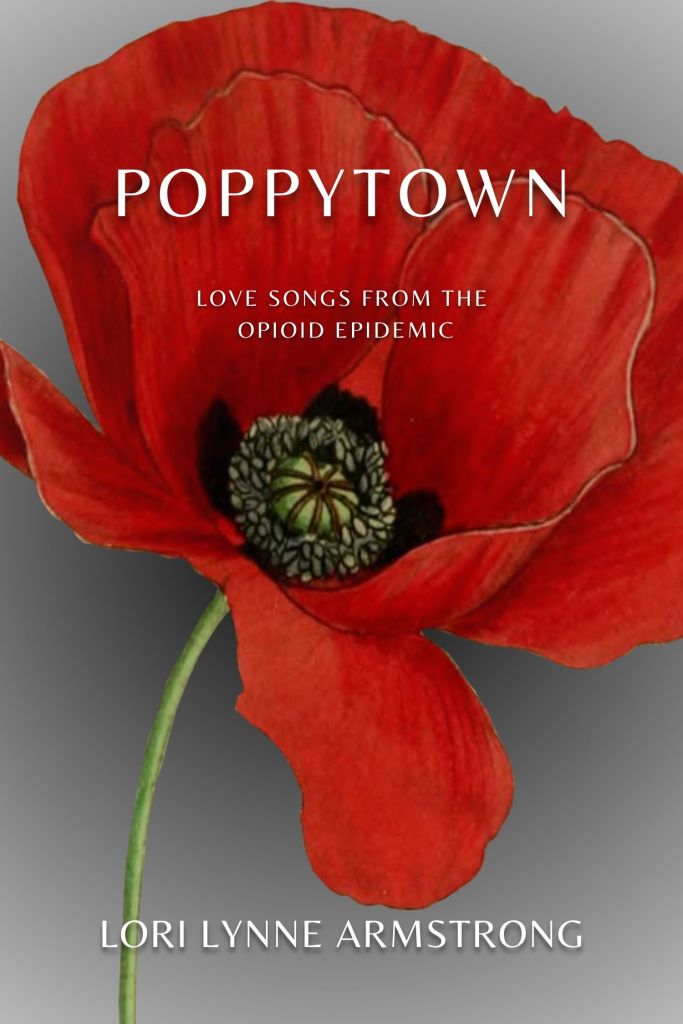
This unique poetry storybook dives into the impact of addiction on all of us. It includes voices from addicts in all stages of illness and recovery, but also the voices of parents, children, partners, and professionals who try to help.
In the years since I was first diagnosed with bipolar disorder in 2009, there have been many times I haven’t fought for myself. I haven’t fought to get disability…a HUGE mistake. I didn’t fight because I was ashamed, or I felt I didn’t deserve it because my family had its most basic needs met at the moment, or because I convinced myself I might be able to work again, maybe, someday. I didn’t fight to keep therapy when my health network dropped and eventually canceled my visits.
Well, that’s all over now. Now I have to learn to fight. Because it’s not for me; it’s for someone I love. And when you’re fighting for someone else, you don’t get tripped up by shame or guilt or thinking you shouldn’t bother people. I have to learn to search, and ask, and ask again, and find ways through the gatekeeping so many services have surrounding them. And it’s really hard, because I’m socially awkward and dealing with my own symptoms and executive function issues. But I have to do it.
I tell myself it’s not so different from writing…I’m trying to tell the truth. It’s just very specific truths to very specific people who need to be encouraged to respond in a specific way. And the stakes are way, way higher.
I want to help others like me. And they might feel the same way about me. But often, we aren’t much good to each other because the very conditions we want to aid each other with are making us unable to function.
I could do so much more for my fellow people with condition X if…well, if I didn’t have X. That’s the paradox.
A loved one of mine is going through a strong version of this. They’ve recently come to a greater understanding of the issues they have and developed a passionate desire to help and advocate for others. They have some great ideas and plans for exactly how they want to do that…and right now they’re dealing with meds trials that have them alternating between a spiraling, incoherent mess and a paperweight. Their plans must wait.
When things aren’t that extreme, there are some things we can do. We can seek out help with mundane tasks so we can spend our limited energy on the tasks only we are able to perform. But sometimes we don’t have any choice but to accept that our quantity of service will be a small percentage of the amount a neurotypical/abled person could deliver.
And we’d better accept it, because if we don’t, the people we care about won’t even get that.
How do we return to productive writing after a period of being away? All authors face the problem, but most neurodiverse and/or disabled authors deal with it more often and more intensely. An episode of poor physical or mental health can make our writing projects seem to be on a distant planet. When we improve, we must find a way to bring them back to us with a style and a pace that fits our needs and our capabilities..
Do we chain ourselves to a desk and dive into a marathon writing session? That may work for a few of us, but most of us need a slower approach. We craft an approach that fits us, and we may struggle with internalized ableism in the process.
For me, stage one of returning involves no writing at all. I just read. I pull up the files on all my current projects and read what I have as if I’m examining the work of an author who is a stranger to me. Then, in a day or two, I give myself a very small and specific assignment. Not “I’m going to work on this” but rather “I’m going to write X scene.”
That’s all very nice. Where it begins to suck is when your condition causes your life to be a nearly constant process of leaving and returning to your writing; when most your writing time is in “recuperation mode.” Which means your productivity is a crawl compared to what you think of as “normal” writers. And you have to live with that, and keep writing what you can.
Anyone who’s read my book knows that I’ve spent time in the psych ward. I’ve had the surreal and frightening experience of being placed on a 72 hour hold for danger to self, waiting in a guarded room while a bed in a psych facility is sought, transferred, and being there until my meds adjustment is working.
It sucks. But there’s something worse. Something about a thousand times worse. And that’s watching it happen to someone you love.
I had that experience a couple of weeks ago. I won’t share too many details, except to say that my loved one is doing better and beginning to navigate the terrain of a new diagnosis. But I’m still reeling from the way it felt to know they were in there; to know I was relieved they were there and safe…it gave me a new appreciation for what others went through during my worst times.
So what do you do when you’re the one on the outside? You wait. And wait. You’re patient with the phone calls that say “All better now, come and get me!” when you know you have no power over release time. You wait. You annoy staff (a reasonable amount, in a respectful manner) advocating for quality-of-life accommodations. You wait. You try to take care of yourself (yeah, right, well, maybe drink some water once in a while). You wait.
And when they are released, you pick them up and do what you can to help them take their meds, go to outpatient treatment, and do whatever is needed to decrease the chances of having to go back to inpatient.
And when you’re alone–and only when you’re alone–you cry, and get mad at the universe, and ask your God what the hell they are thinking to give the person you love this kind of burden when they already had many. And you get selfish, and ask your God what the hell they are thinking to put this new thing on you when you already feel stretched thin coping with your own diagnoses.
That’s what you do. I guess. Maybe I’ll figure out more as I go along.
Sometimes I just make stupid decisions. Like last night. And the night before. And the night before that. I’m sleep deprived to the point of clumsiness, and it wasn’t my bipolar disorder that did it. My problem was that I didn’t even try to sleep. Hour after hour, I put off the action of lying down, closing my eyes, and making an attempt. Would the attempt have worked earlier? No way of knowing. But I wasn’t in a highly symptomatic state, so maybe. But I’m not trying.
Insomnia has been a central part of my life for more than twenty years. Sleeping pills were one of the drugs I abused and now need to avoid. Living with my condition has meant living with less sleep than is recommended–sometimes a little less, sometimes a lot less, sometimes a random “zero sleep” night. That’s the way it is. But right now, I’m making decisions that intensify the problem.
Why am I doing it? I’ve been hearing about something called “revenge bedtime procrastination,” and it fits what’s going on with me. Basically, it’s about not wanting to sleep because we don’t want to give up any of the hours where we’re free to goof off with reading or games or watching things.
Last night, as I have several times lately, I thought about taking one of the non-addictive sleep aids I have. I don’t take them often because they’re pretty much glorified Benadryl, which means I’ll feel like crap in the morning. But I really need some sleep. So, when I thought about it, I realized I’m definitely doing the bedtime procrastination thing, because my thought process wasn’t “I don’t want to feel groggy in the morning,” It was “but I was really looking forward to watching X/playing X.”
Am I going to change? Maybe. Probably not tonight. But calling myself out is a useful first step.
I don’t think my mom’s doctors, nurses, surgical staff, etc. know that I’m a bipolar drug addict in recovery (albeit 12 years clean). Because I’m the one dealing with them, answering questions, soothing my mom into compliance, and making sure instructions are written down. I’m the sane one. And it’s weird.
Being able to help my parents is a great privilege. It’s the natural order of things, and as someone who used to pilfer painkillers from my mom’s purse, it feels good to instead be doing the normal things a child does for an aging parent. It feels good to be useful. That being said…I hate this.
Being the sane one means that I have to fear a bad episode more than usual–what if one happens right when my mom has to have surgery or something? Mental health aside, what if my back just goes out and I can’t hack it physically? The driving alone is causing pain. Unfortunately, she and her husband refuse to discuss options for other care.
It seems almost inevitable that something will happen. Will it be a back episode so severe that I can’t walk or drive? Will it be a bipolar episode so severe that I gaze at the doctors with a “deer in headlights” expression, unable to communicate or process information? Who appointed me the functional one, and what were they thinking?
In the meantime, I will do my best. And maybe (gasp) reach out for some ideas and support from others experienced in elder care issues. Because I’m soooooo good at asking for help.
Coming back from an episode of my bipolar depression is hard. Hard enough that there’s always a risk of me getting overwhelmed and triggering a retreat back into more depression. I feel pressure to catch up on everything that got neglected while I was less functional, but if I try to do too much it won’t end well.
Instead, I have to do little things, deliberately small actions, for at least a day or two. Someone recovering from knee surgery who’s just been cleared for exercise wouldn’t dash out and run ten miles…and I can’t dive back into my highest level of performance. (Not to mention that my highest level of performance tends to have at least a sprinkle of hypomania involved, but that’s another story.)
Today, a blog post. A recovery meeting. Drinking more water, and eating better. And not much else. No marketing efforts for my poor book, no attempts at major exercise, no cleaning, no trying to write new things. Ugh. But I know it’s the best way to work it. Tomorrow, a little more.
Making recovery support meetings a priority again is helping me remember something that used to be primary knowledge for me: the principles I learn there are what birthed my writing and what I need to fuel it now. The two are connected. It’s not choosing to place one over the other in allocating my time; it’s choosing which way I want to support my writing today.
Reconnecting with these principles is also what’s going to help me get past the morass of insecurity these last months have been. A solo effort to connect with my reasons for writing, while useful, is not enough. I need help from others. I need help to get past the what-ifs and if-onlys and everything my brain comes up to torment me with. (And if I’d been more rooted in recovery principles, might I have chosen to query? I’ll never know…looks like I’ll need recovery to help me get past that regret!)
This whole newly-published book thing, with all its ups and downs, is all very nice, but I can’t afford to forget what I am. I am one pill, drink, whatever away from falling back into a place that resembles the darkest chapters of my memoir. Or maybe worse. And I have mental health issues I can’t afford to neglect, lest I put myself at bigger risk for the above.
I see danger signs recently. Struggles with food aren’t that unusual, but there are others. Over the years, I’ve occasionally had to have painkillers for surgery or kidney stones, and that’s ok. We always control them tightly and keep me ultra-accountable, and usually it is fine. But there was one time a few months ago when I found myself blissing out a bit, even though I’d only been given the prescribed dose. And I enjoyed it. And there have been a few times lately that I’ve thought longingly of that feeling. And I found myself casting an envious eye on my daughter’s cannabis gummies she uses for her migraines, and thinking, wow, if I found the right strain I bet it would make me feel really good, and it’s legal and I wouldn’t need a prescription…***ALERT***ALERT***ALERT***
Damn. Writing it out like this makes it feel more real. I’m seeing the seriousness of it more. I have twelve years clean, and if I don’t get my shit together I could lose it all. How ironic would it be to have an inspirational book gaining readers while I’ve slid back into hell?
So what to do? Gee, let me think. Recovery fellowships aren’t perfect, but for me, they’re a damn sight better than trying to fix these thoughts alone. People talk about twelve steps, but right now my plan just has three: 1) Remove ass from whatever surface it’s currently on. 2) Transport ass to meeting. 3) Repeat.
OK, this picture should be shareable! Some folks reported trouble sharing the previous one.
There’s a lot of author-type things I didn’t set up until now. Prepping the manuscript for upload was such heavy emotional labor for me that I didn’t do much multitasking. Now I’m doing things like setting up my Facebook author page.
I tell myself (and it’s true) that this is all about the long haul; everything I’ve been going through will make subsequent books MUCH easier to birth. And I’ll know more of what to expect in terms of how long various things take.
I can’t wait to dive back in to my next project, Poppytown, while I continue learning how to promote this book. This is a new beginning.
I’m worried about the future of my brain, and this is one thing behind my decision to go with the faster, more individually controlled, and more flexible process of self-publishing. Like Hamilton, I feel I need to “write like I’m running out of time.”
I really am grateful that my long process of meds adjustment is finished–but the new status quo involves the maximum therapeutic dose of two meds where there was one. My anxieties don’t like this…will I need a third in a few years? A fourth? Will everything just stop working?
The cumulative effects of bipolar disorder, treated or not, on the brain are not well known. But there’s some data indicating an ongoing impact on working memory, executive function, and other abilities. I may experience more than the normal age-related hits to my cognition as the years go by. They might form a gentle slope or abrupt drops. I don’t know.
Right now, I’m still working on formatting Someday I Will Not Be Ashamed. I hope to publish it in late April, maybe May. Once it’s done, I can turn my attention to the next set of projects, knowing there’s a part of me anxious to say everything I want to say while I still have the ability to say it. We all face an uncertain future, both inside and outside ourselves. I guess I’m just feeling especially aware of it right now.
My meds adjustments are done for the time being, and I’m so grateful. For about the last four months, I’ve been in this adjustment process–tapering down one med, tapering up another, waiting to see results or lack thereof, tapering up a new one, et caetera. It has to be done carefully and gradually (which is why the “ask your doc-in-a-box about New Drug X!” commercials annoy me so much). And it’s hard, so hard, to be patient and endure side effects and not give up hope.
Now, I’m back to my baseline! My baseline is not a symptom-free status. I have plenty of symptoms; I have good days and bad days. But the worrisome level of hypomania isn’t there. I’m sleeping a little more. I’m less disoriented. I have more energy to focus on “normal” problems.
“Normal” problems are scary…and when you come out of your skull and engage with them more than you have been, it can feel overwhelming. Money. Relatives’ needs. Medical tasks. The nuts and bolts of the business side of my writing and publishing what I write. I haven’t been completely out of touch, not the way I have during some points of my life, but I do feel more connected now than I have in a while. I’m talking and thinking and strategizing about longer-term problems…and coming up against the ones I don’t have a solution for yet. Or maybe ever.
Recovery literature reminds us to be grateful for “normal” problems; all the problems we wouldn’t have if our addiction had killed us. Mental health advisors caution us to up our self-care as needed so we won’t subconsciously drag ourselves down into the familiar darkness to avoid the things we fear we won’t be able to deal with. And both of these tell us to break it down: one step, one phone call, one errand, one brainstorming session, at a time. And to accept doing what we can, not what we think we should be able to do.
As a Californian, I am contractually obligated to be grateful for every precious drop of rain that falls. And I am. But as my region deals with huge rainfall and flooding, it can be challenging. And the varying pressure triggers my back pain. More seriously, it triggers spikes in my daughter’s chronic migraines. And I can’t go out. And the dog wants to go out every 20 minutes, and she can’t understand why we don’t turn the rain off, and we have to put on her doggie raincoat and leash her and take her out each time because there’s a giant puddle in back, and it’s all a giant hassle. And it’s dark.
I know I’m too sensitive to my emotional environment sometimes. The more down those around me feel, the worse I feel. It’s hard right now to get excited about publication tasks, especially since I was already feeling a bit overwhelmed. A heavy depressive fog has settled over me. I’m always cold. The silence required by my daughter’s headaches is oppressive (there is only so long I can tolerate headphones without needing a break).
Here’s the part where I introduce a clever metaphor and link all this to the general experience of living with one of my conditions. But I haven’t got one today. It’s raining in my head, and I have to wait it out. I have to remember all the things I’ve been excited about, even if I can’t feel the excitement right now. It will come back. It always does.
The holidays are over for another year, and I survived. Mostly. My family has been pretty low-key about the holiday season for years, so I have it better than many, but it’s still socializing with the added elements of overthinking and societal pressure to be happy and having a good time.
I made a choice to eat without restriction for about ten days spanning Christmas. Let’s have a show of hands from everyone who believes I’m now pleased with my decision…yep. I am feeling the consequences of my actions. Not in the way a normal person might say, with a bit of chagrin, that they gained weight over the holidays. No. What I’m dealing with is the aftermath of what, eventually, became a full-on compulsive eating episode, because that’s what happens when I continue eating a certain way long enough, and how did I think this time would be any different?
Could I have made it through the holidays without doing what I did? I don’t know. What I’m mad at myself about is not the choice I made but my failure to acknowledge the extent of the consequences I would face; my wishful thinking. If I’d faced up to the implications of what I was doing, maybe I could have sought support to help mitigate the damage or help me come out of it before the most painful and punitive ending binges.
Now I have to heal, and recalibrate my broken metabolism, and accept that it’ll take a long time to repair the damage. It’s day one of the “maybe don’t eat yourself sick” plan–and that’s going to have to do.
When someone said this to me, I absorbed it in a couple of different ways. The first way was the way they probably intended it: the simple fact that happiness is less dramatic than suffering. How many operas have you seen about people having pleasant lives and untroubled relationships? Great writers and artists have spent millennia spinning human pain into beautiful tapestries of vision and thought, and it can’t be denied that without said pain a great deal of beauty would not exist.
Then, of course, I thought about it from a therapist’s perspective. When I was in the field, I sat with a lot of people who said they wanted to be happy but routinely sabotaged any progress toward a life that might make them happier. (Then, of course, I went home and did the same thing.) We (most humans, but especially those who got imprinted with drama growing up) are wired for drama, and when things remain the same we get antsy.
Now that I live with bipolar disorder, I get to see my brain play out a version of this in my cycles. When coming out of a depressive phase, I start to feel happy, even content. Ordinary pleasures have a new intensity as I rediscover them. I can focus on tasks, and I get a lot of satisfaction from completing any. Life takes on a calmness…aaannndd then I’m hypomanic. The calm phase never lasts; my brain is wired to build the good energy up into problematic energy.
My brain does what we enact in our lives. “Things are too quiet around here. I need something to happen.” So we make something happen. We act out with a problem behavior, so we can have the drama of guilt and trying to get back on the wagon. We text that ex. We’re late to something important. We get furious at something that might have barely hit our radar if we weren’t subconsciously looking for a fight.
And we’re back in drama. Familiar, interesting drama. Interesting to us, anyway. Not so much to those who have to watch us spin. Again.
To live with conditions like mine is to live life in a cycle of denials and surrenders. “Sure, I can do the thing!” is followed, days or weeks or months later, by “well…no, not in a consistent or sustainable way, so I shouldn’t have said yes to anyone who is now inconvenienced or even hurt by me not being able to do the thing.” Knowing where to draw the boundary between what I should and should’t commit to is a lifelong learning curve.
I’ve had a dream of finding a literary agent for my memoir. I dreamed of what might follow if I hit the jackpot and got one. But recently, I had an extended bout of hypomania bad enough to require a meds change and its own struggles with side effects. It made me remember how unpredictable my life, and my ability to function, is.
It was time for me to take a look at what kind of lifestyle I’m suited for, and what kind of lifestyle I want. The answers led me to a surrender and a shift in my plans…I’m going the self-publishing route. A route on which, if I’m unable to do promotion efforts during a dip, I’m impacting nobody but myself. I had already planned to do this for my subsequent poetry and smaller prose books, but wanted to do otherwise for the memoir. Now, I’m going to treat them all the same, for simplicity’s sake.
Self-publishing is not easy. It’s a lot of work and a whole new set of tasks to learn. But I can do it at my own pace, and I can manage my promotion efforts according to my abilities.
My body knows my decision is the right one (have you ever felt your body react to a decision? It’s weird, but unmistakable). I feel better than I have in months. Let’s hear it for surrender.
What is dieting success, and who defines the difference between success and failure?
Of all the posts I’ve made on this site, the one garnering the most likes has been my recent post “Soup du Jour” in which I talk about the inconsistency of my eating patterns. Did it strike a chord for people, or was it just that it wandered into a highly populated tag? I suspect the latter.
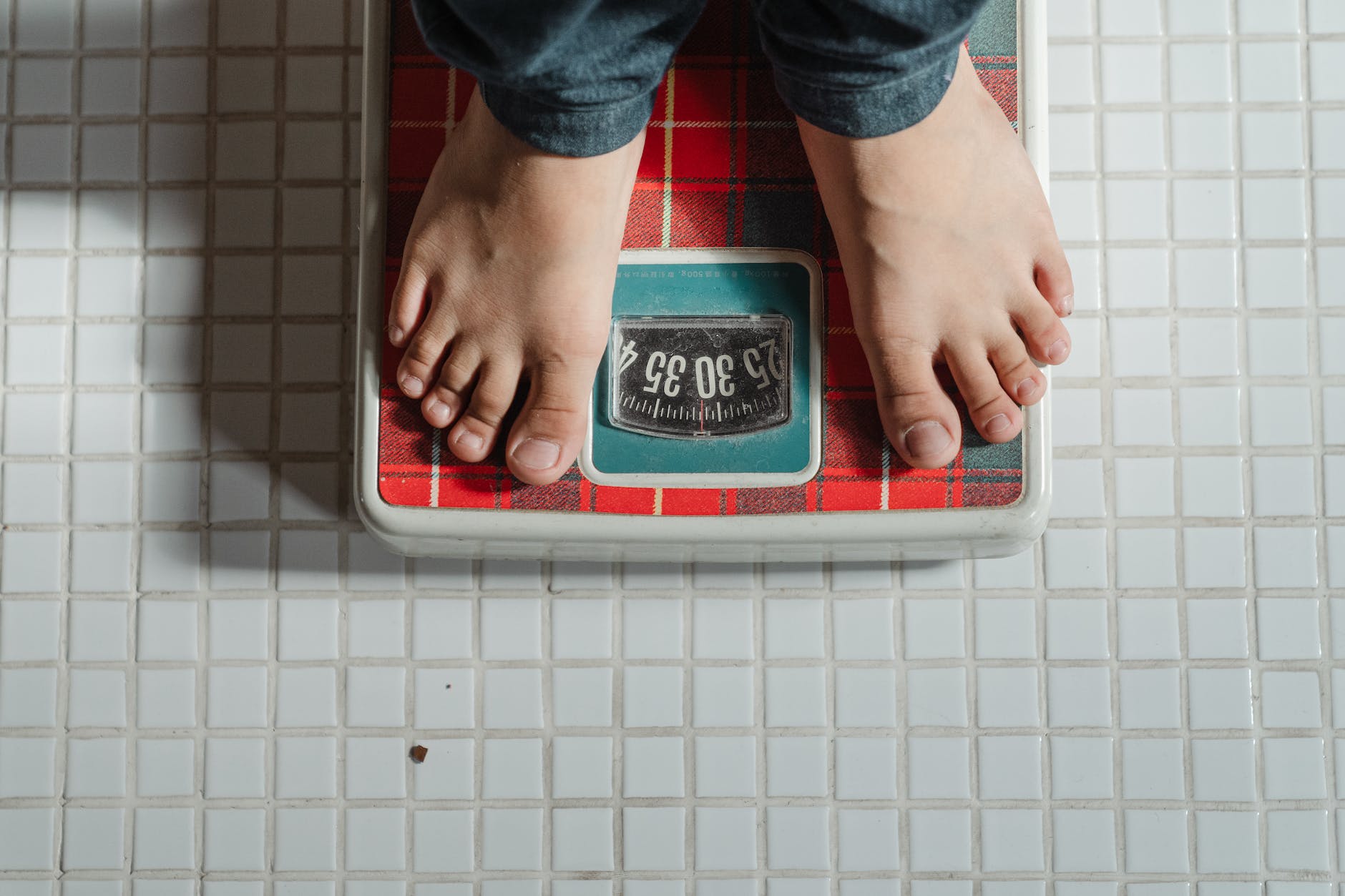
Whatever the case, eating and weight is always an issue worth discussing for me. People with mental health issues have trouble feeding themselves healthfully and consistently even if they didn’t start off with an eating disorder like I did. I’ve spent decades of my life traveling up and down the scales, eating every diet imaginable. At five feet seven inches, my lowest adult weight (for about ten minutes) was 145. My highest adult weight was 315 pounds. Today, and for about six years now, I maintain a weight in the range of 215 to 235 pounds.
Am I a success for learning to maintain a weight at least 80 pounds lower than my highest? Or am I a failure for being unable to sustainably go even lower? Depends who you ask. Certainly doctors, insurance companies, and clothing designers will never be pleased with me. But if you’ve never been as overweight as I have been, you don’t know what a difference that 80 to 100 pounds makes to my health and mobility. It’s night and day.
If anyone had told 17-year-old, 125-pound me, throwing up her Herbalife supplement after packing her 500-calorie lunch, that she’d one day be grateful to weigh 220 pounds, her head would probably have exploded. It would have exploded again if someone had told her that this future 220-pound woman would experience a level of self-acceptance unimaginable to the desperately thin girl.
Uh-oh…I feel good today. The side effects of my meds change have died down, and the new med is looking promising. I’m a bit less hypomanic, I’m sleeping a teeny bit better, and my morale is up. Thinking about my writing projects and publishing issues, while still chaotic, doesn’t feel quite as overwhelming.
So, I’m waiting for the proverbial other shoe to drop. I’m waiting for a relative’s health to take an abrupt turn for the worse, or for the dog to start throwing up, or for the nearby oil refinery to have a toxic leak. Because people with brains and/or backgrounds like mine are wired to expect disaster.
That’s one reason I carry a deep conviction that feeling happy is always the precursor to trouble. The other reason has to do with the deep shame I still battle–not the shame over things I’ve done, but the unexplainable shame I seem to have been born with. It tells me that there will always be a price for any happiness I experience; that in taking anything for myself I am stealing it from the world.
All this makes it harder to appreciate days like this, but I try. It’s a gorgeous fall day here in Northern California. We won’t be on fire again for several months, and the air is crisp and fresh. I got five glorious hours of sleep last night. My favorite jeans are clean. So is my hair. And there’s nothing I have to do for the rest of the day. Life is good.
I never, never want to change my psych meds. The overwhelming urge is to leave them alone, because I’ve found a regimen that has a minimum of side effects. Problem is…they’re not doing the job right now. I’ve had a consistent pattern of frequent hypomania for months, and the symptoms are starting to impact my life more. My rapid and disjointed speech is sometimes noticeable to others. Sleep is worse than my already-bad levels. I am hypercreative, but unable to settle to one project or get anything on paper. The urge to self-medicate with overeating is strong, and I’m not always able to resist it. So, it’s time for me to open my mind to a change. The last change I did was just a slight increase in the med I was already taking, but this one is adding something new.
Imagine you’ve been handed a magic potion in an opaque flask. You know you need to drink it, but you have no idea what it’s going to do to you…caught between the misery of the moment and your fear of the unknown, you raise it to your lips and swallow. And then you wait.
The next day, you feel sick. And the day after that. Or you’re semiconscious, or your mouth is so dry you can barely speak, or you can’t have sex anymore, or you’re heart-poundingly anxious, or you have sudden self-destructive thoughts, or you’re dizzy…but you continue to drink the potion, because you’ve been told all this is normal and will pass soon. But when will I feel better? you plead with the wizard. In six to eight weeks we’ll see, is the common reply.
Yes, though there are a few “big guns” of psych meds that have immediate effect, such as tranquilizers and antipsychotics, most others manifest side effects long before any therapeutic effect is felt. Which is why the popular misconception of popping an antidepressant to lift one’s mood is a pile of crap.
After an eternal couple of months, it’s time to assess whether the new med seems to be helping–and if not, it’s time to start over again with the next candidate, beginning the cycle of side effects all over again. Anyone who thinks psych meds are a crutch used by people who want to avoid the pain of life is invited to ride this merry-go-round a few times, until they understand it’s not the easy way out. It sucks, and we wouldn’t do it if we weren’t convinced it was our best bet for being more present and useful to the world and the people we love.
How many times have I sat in a group of people and wondered how long it would be before it became clear that I didn’t belong there? Whether someone would call me out at group level, or take me aside politely and say, “No offense, but this space is for humans only?”
I saw my psychiatrist on Friday, and as often happens, the process of digging into my symptoms makes me more aware of them. I get used to the way things are for me, but when I’m sitting with the psychiatrist, when he nods sagely at a description and suggests increasing or adding a med, well…I get reminded how far from normal-normal my normal is.
I know normality isn’t a real thing, nor should it be a goal. But when I feel so far from it that I see myself as an alien cosplaying as a human, that’s a problem. It’s a problem when the sounds around me fade out and an invisible spotlight appears above my head, marking me as the intruder.
As a result of Friday’s meeting, I am facing another meds change. This means, at a minimum, days of disorientation. Other side effects could happen, maybe for weeks. Historically, I tend to have a pattern of “it gets worse before it gets better.” So…I might be feeling even more like the alien in the human suit soon.
Sometimes I worry that a person in pain will take gratitude-related advice as “suck it up, whiner!” I feel that inappropriately-timed reminders of gratitude’s importance can be condescending, minimize the importance of someone’s pain, and make them feel it’s not safe to express said pain.
That being said…yeah, cultivating gratitude is vital. Ugh. It’s as necessary as air for me, because self-pity was the biggest saboteur of my early attempts at drug abuse recovery and at managing my mental health. I felt sorry for myself when it become clear that recovery wasn’t going to make my brain normal, or let me sleep, or get me to a level of functioning suitable for the kind of work I wanted to do.
Today, it’s helpful for me to at least attempt a gratitude-centered perspective when things are tough. And my past gives me lots of useful fuel. Annoyed that my back hurts after doing dishes? Remember the many times dishes weren’t even an option. Feeling frustrated that I can’t be of more help in my daughter’s health struggles? Remember how close I came to not being there for her at all. Tired or scattered about my writing projects? Remember I could have died without writing anything.
My place is a mess? Got a place to live. Hate cooking? Got food to cook. Getting old? Beats the alternative. I can go on and on–if I’m willing to go there. But does it really do anything? It doesn’t fix everything, that’s for sure. And it won’t help if I try to force it because of a sense of duty or shame…”why am I sad? I should be grateful…”
But if I can let gratitude in, let it coexist with my other perfectly valid emotions, it will help balance my tendency to dwell on the negative. And I can use the help.
“Don’t believe everything you think,” goes the saying. There’s a constant negative monologue in my head, competing with and trying to drown out anything positive I generate, and when I’m in a depressive dip it gets fucking LOUD. I want to stick my fingers in my ears and hope it gets tired and shuts up. But that doesn’t work. Trying to artificially pump up positive thoughts doesn’t work either. Trying to debate or fight the dark feelings just fuels them because now they’re getting more attention. I have to coexist with the voices, not fight them, not try too hard to distract myself from them…but, somehow, not believe them.
When I was studying counseling, one of my favorite professors told a story about a schizophrenic client who believed he lived on the moon. The professor, then a young therapist, tried the techniques he had been taught to challenge and question the client’s delusion. But all this did was reinforce the client’s resistance. One day, tired and discouraged, the therapist went a different direction. He decided, just for the day, that he would not try to convince the client of anything. Instead, he asked, “What’s it like to live on the moon?”
And for many sessions to come, he listened to the client’s stories about living on the moon. As the client came to trust him more, the therapist was able to tie some of the stories to what was happening in the real world and engage on that level some of the time. But he had let go of the idea that it was his job to convince the man to give up his reality for a more approved one.
I have to be like that therapist. I have to sit in a room with the dark version of reality my mind generates and allow it to be itself…but maintain a certain detachment from it. It isn’t me. There’s an entire universe outside of that metaphorical room, full of light and dark, too complex for words.
There’s someone in my life who is starting to dig deeper into their neurodivergence. Whatever diagnosis might fit–adult ADHD, bipolar II, something else–they want it. They want it so they can try associated treatments that haven’t been available to them before. They want new items to add to the list of things that might help them, a list that is all they have to cling to on some hard days. They want to get at what might be standing in the way of doing what they need to do to improve their other conditions.
When I was taking psychopharmacology in grad school, many of my fellow students had a lot of negative feelings about diagnosis in mental health. They didn’t like the idea of putting people into boxes. They felt certain diagnoses were given too freely and caused more harm than good. And both of these things are valid concerns.
But here’s my own experience–the right diagnosis was life-changing for me. Until I was diagnosed with bipolar II, I spent more than a decade being treated with medicines that were ineffective at best and dangerous at worst (for example, many antidepressants have unfortunate effects on a bipolar person). After being diagnosed, I started to be treated with medicines that, while they didn’t fix everything, were far more on target. Having the diagnosis also gave me a language for the things I had been experiencing and made them a little less scary. It validated what I’d been going through and gave more opportunities to seek new methods of treatment. It empowered me.
I hope this new seeker finds a way to get the screenings and evaluation they need (no easy task, these days, if you aren’t rich). I celebrate the insight they’ve reached about themselves and their desire to address it. And I pray that diagnosis will be a useful tool for them; one that opens doors.
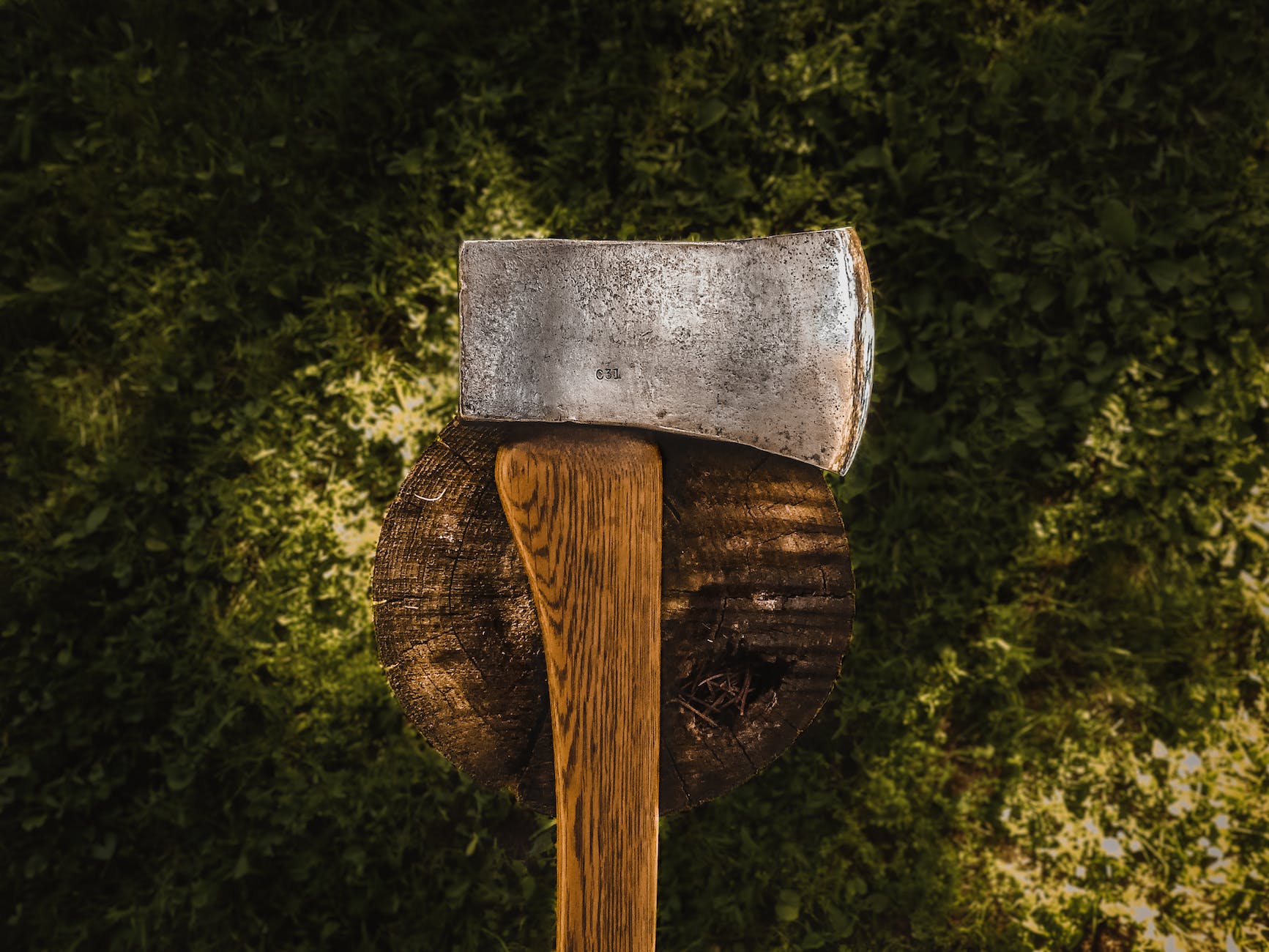
So there I was, playing my old-fashioned dungeon crawler computer game when I should have been doing paperwork between counseling sessions. My character had survived and prospered long enough to have excellent armor, strength and health, but I was still wielding a lowly dagger. So I was pleased to find an axe, and picked it up, even though I knew some weapons were cursed.
On the next floor of the dungeon, I found myself surrounded by orcs. They aren’t too strong in this game, which is why they travel in large packs. So I was surprised when my attacks on the first orc seemed ineffective. Maybe I’d better switch back to my dagger…but when I tried to drop it, I saw the dreaded message: You can’t. It appears to be cursed. I was stuck with my axe. Checking my inventory, I realized it was minus-2 power. Ugh. This orc pack was going to take a while.
I’ll get to my metaphor soon. Honest.
Then, a rust monster appeared. With every hit, this feared being damages your weapons and armor. My minus-two axe became minus-three, seven…minus-twenty by the time I managed to kill the thing. I was now fighting the swarm of orcs with what amounted to a shapeless hunk of iron too heavy to lift. But I couldn’t put it down.
Wielding a cursed weapon sucks. But we’ve all done it, haven’t we? Haven’t we had a response, or a coping mechanism, that has become ineffective at best and destructive at worst, but we just can’t put it down? We swing it helplessly at the problems around us, unable to pick up a healthier method even if we know of one. We have trouble accepting that our old weapon isn’t working, hasn’t been working for a while, and is never going to work again.
Addiction is one example, of course. We wield our drug or behavior of choice to the point of self-destruction. But there are so many other cursed weapons out there, and some of these became part of our arsenal when we were very young. If we learned to shut down, avoidance becomes our default response and is difficult to change. If we learned angry confrontation as the go-to reaction, that’s our cursed weapon. If we learned to please and placate others, we hack our way to a lifetime of inauthenticity.
What are your weapons? Are they working? If they’re not, can you put them down? Or are they cursed, cursed in a way you can’t uncurse without magic?
There’s a huge brick sitting on my chest. My stomach feels as if it’s trying to eat itself. I jump at the slightest sound. The cause: my dog has been sick. Nothing too catastrophic, it seems, since she is better than yesterday. We just came back from the vet where they drew some blood for tests.
Anyone would be anxious when their beloved pet is ill–but my spouse, unlike me, has been sleeping at night. He seems to be able to draw a deep breath. I’m obsessively listening for every tiny sound the dog makes, at every hour of the day and most hours of the night. I did catch two hours of sleep last night, and I am grateful for that much.
My limbic system, the part of the nervous system responsible for sensing and reacting to threats, is hypersensitive. It always has been, and it got worse when the bipolar disorder came along. Abusing drugs that relaxed me, and thus neglecting to exercise the parts of my psyche that manage anxiety, probably didn’t help either.
The crisis is over for the time being. She’s feeling better and eating again. But tell my limbic system that…I know that tonight, and probably several nights after that, will have me straining my ears for the tiniest clue, the tiniest sound that might mean she’s throwing up or having trouble breathing or being abducted by aliens. And my sleep debt, already large this last week, will grow and grow.
I hear my poet and writer friends talk about serious stresses going on in their lives, and I wonder how they manage to write through it…how do they focus on anything else when the brick is pressing so hard and the acid is so sharp?
As I progress through middle age, I’m going through the emotional adjustments everyone does. In my case, it plays out in my writing experience (Aaah, too little too late, no one your age can be a success at writing, the writers you know have been doing it for 25 years, etc.) and several other arenas. Some feelings are sharpened and complicated by my years of illness and addiction, such as when I envy others my age who never became disabled and therefore have more financial security. And some feelings are just garden-variety internalized ageism.
Case in point: my hair. I’m getting it cut short today. I’ve had it long for years, but the already fine strands have become thinner and finer with middle age. It won’t stay in a scrunchy or barrette; individual strands are always escaping and tickling my nose. I can’t wait to get rid of it and have a neater, low maintenance look. So what’s the problem? Nothing, really, just old stuff.
Somewhere–don’t know where–I got a message that long hair is a. more youthful and b. more feminine. What’s up with that? And I never think that about my female friends with short hair, only about myself. There’s a tiny part of my brain that feels as if getting my hair cut off is a kind of desexualization. Maybe it’s remembering a certain drastic haircut I gave myself in my freshman year of college, when I hacked off my long hair while upset after a housemate told me I looked like a tramp. Hmmm.
I din’t have any answers about this; it’s just interesting to examine attitudes I didn’t realize were lurking in there. It’s a good reminder that not everything I go through is about mental illness, or addiction, or even the ups and downs of being creative…I still get to participate in all the general human stuff, including growing old. And that, considering the alternative I came so close to, is a privilege.
Shakespeare characters suck at sleeping, just like me. Hamlet wanders around the castle and sees ghosts. Henry V soliloquizes about how lucky peasants are to labor all day because they can sleep soundly at night. MacBeth, when talking about his murder-induced guilt, focuses on the fact that he’ll never again know peaceful sleep.
They all know the loneliness of being awake while the world sleeps around you. The worry of knowing you’ll be too tired to function in the morning and knowing you must. The pain and fatigue and vague nausea all the next day. Trying not to wake up those nearby while wishing they would wake up and keep you company; telling them to go back to sleep and resenting that they can.
For thirteen years now, I’ve had a pretty intractable case of insomnia. During my years of drug abuse, I used ever-increasing amounts of sedatives and hypnotics to cudgel my brain into sleep, only to have them stop working as I developed tolerance. The longest I’ve ever gone without any sleep at all is six days, a bipolar episode that ended in the hospital. Normally, I would drop off sometime between 3 a.m. and dawn, often to the soothing first chirping of the birds, only to be awakened by my alarm one to three hours later. It made my other issues worse; not surprising, considering the effects of sleep deprivation on everything from mood to pain threshold to executive function.
It was awful, all right…but what a bonanza of self-pity for an addict! I always had a plausible excuse for retreating to my room and skipping something I didn’t want to do. “Sorry, the sleep deprivation’s crossed a line and my survival requires a nap.” It was useful to the side of me that wanted no part of responsibilities that would get in the way of taking painkillers.
Fast forward to recovery, and needing to abstain from all the meds I used to abuse: I had to work at changing my attitude about sleep; I had to become willing to stay clean even if it meant I’d never sleep through the night again. I had to accept that I’m not in charge of how much sleep I get, and that I’ll get just enough when I need it badly enough. It meant practicing acceptance when lack of sleep interferes with my energy or mood. It meant letting go of any question of fairness about it all.
Of course, I fail at these enlightened principles. Often. I want to snarl at people who give advice on how to sleep…yeah, thanks, I haven’t tried your sleep hygiene tip any time during the last decade and a half of suffering. I have to guard my mind against the human, understandable, but very dangerous thought: “I really need one night of sleep. Just one night. I’d feel so much better. I haven’t taken sleeping pills in years now, so one would probably work really well. No one would have to know…”
But I don’t need “one night of sleep.” Not at the price I’d end up paying.
I can’t get out of “edit” mode. I’ve been in “edit” mode for so long (to me, this mode includes things like proposal writing, research into agents and publishing options, etc.) that I’m having a hard time switching back to “flow” mode and actually creating something. Right now, I have some waiting to do in terms of getting my memoir queries ready to submit, so it makes sense for me to be working on other projects in the meantime. Especially Poppytown, which is slated to be the next thing completed. There are poems still to write for that…and I can’t seem to turn on poetry-writing mode!
Yesterday, I did some useful organization…created a binder with everything I have, then inserted a blank page with title only, placed in its proper order, for every poem that is conceived but not yet finished. The idea is that when I’m ready to tackle a certain poem, that blank page will serve as initial brainstorming space. Having it in order will let me keep the book as a whole in mind. So that’s all good. But it won’t help unless I can take one of those pages and produce a poem.
I know anxiety/information overload is part of it…half an hour of research into the world of publishing can leave my overactive brain whirling and lead me to a night of nail-biting ruminations. Maybe it’ll be less overwhelming as I learn more, but right now every fact I learn sends me down a new rabbit hole of information, some of it contradictory.
If I’m going to be an author, I have to learn to switch between modes. I have to learn to compartmentalize. When writing and revising my memoir, I managed it by deciding I wasn’t going to think about what to do with it until it was done. But that won’t work any more. I’m sure I am not the only writer to struggle with this, although my weird brain chemistry may add a bit of exotic seasoning to the brain stew. It’s just another new thing to learn, at a time when I’m already learning a ton of new things but can’t afford to let any of them compromise managing my conditions.
There are many reasons I wish I didn’t have bipolar disorder and other neurodivergence. There are many reasons I wish I weren’t an addict. But none of them compare to the gut-wrenching regret about how these conditions affect my legacy to my daughter.
No matter how hard I tried to minimize the effects back when I was using painkillers, no matter how hard I tried to keep my mental issues from overcoming the good things in our relationship, it all had to have an impact. Today, there have been many improvements and I’m able to do a lot that I couldn’t do before. But some things don’t change. This young woman still got issued a breathtakingly imperfect mother. She sees me struggle with large problems and trivial ones. She sees me be inconsistent with self-care and the tasks of daily life.
But there are good messages I pass along to her as well. She sees me fail–but she always sees me try again. She sees me struggle with the impulses of my addictions–but she always sees me rededicate myself to recovery. She sees me be down-hearted–but she always, in an hour or day or week, witnesses me hauling myself up with the power of imagination and metaphor. She sees me be self-critical–but she always sees me come back to a place of love and self-acceptance.
I’m teaching her that we fail, and the world doesn’t come to an end. I’m teaching her that there’s a way back from the dark places. I’m modeling humility, and perseverance, and hope. I know this–but like any parent, I want to be better. As a mother, as an addict in recovery, as a person with mental health issues, I want to be a message of hope strong enough to accompany her through everything. I want her to see me fucking win.
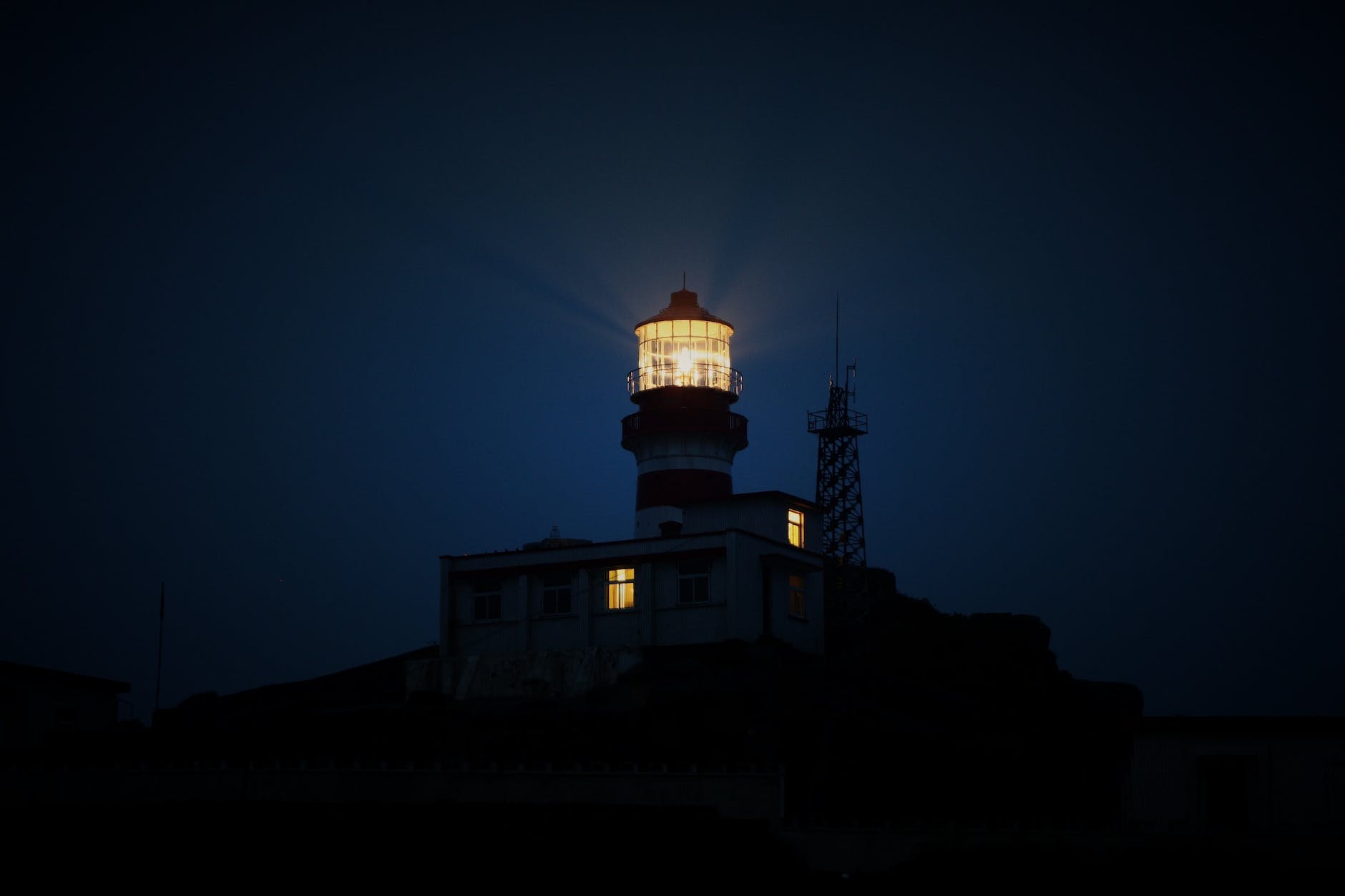
I want to be an ever-present, brilliant beacon. But I’m not. I am a lighthouse–shining, going dark, then shining again.
Yes, lest those who read my stuff ever forget: I’ve lived with an eating disorder since I was thirteen or so. It coexists with my mental health issues and with my life as an addict in recovery. It’s there to a greater or lesser extent every day of my life.
I’ve been blessed in recent years with being able to take better care of my body in some ways. Many days are relatively free of compulsions, many other days are moderate, but a few still take me back to the worst days.
A couple of days ago, I felt myself teetering close to a binge and didn’t want to go there, so I tried to do some “harm reduction.” At the grocery store, I bought a couple boxes of artificially-sweetened treats (yuck) to bribe myself out of buying other things.
So there I am, yesterday, with a terrible stomachache from the treats my body is not liking. I decide, disgusted, that I don’t want them around any more. I don’t want them around tomorrow, because if they are around tomorrow, I will eat them and have another stomachache and feel like crap all day.
This where the awful rules kick in. You see, I am not allowed to throw the treats away. No. I bought them, I made that choice, and now I have to pay for it. If I don’t want them around tomorrow, there is only one allowable way to get rid of them. I have to eat them. All of them. Tonight.
Case in point: how many days/letters I just skipped. This is a fact of life. Anything I start has a good chance of not getting completed the way I or others envision it. I have to either abandon a project or be willing to come back to it humbly, again and again if necessary, owning my past neglect and trying not to make excuses for it.
We all have to do it. We tackle our horrific bathroom, chiding ourselves for letting it get this bad. We try to save a dying plant, knowing it wouldn’t be dying if we’d been more diligent about its care in the past. We start exercising again, bemoaning the body that would be so much stronger if we hadn’t stopped.
Yes, we all do it. But when I’m coming out of a depressive dip–or a series of them with some good old procrastination in between–it’s a big barrier to get over. It’s bad enough when it’s a chore, or paperwork, or my health, but it’s worse when it’s relationships I neglected.
This is a topic I’ve written about before and will probably write about for the rest of my life: finding the balance between appropriate remorse and destructive shame. Not being someone who saunters around saying, “Well, this is just how I am!” but also not hiding away from the world and refusing to give what I can.
The ultimate metamorph, the “fuck it” feeling can be good or bad, destructive or liberating. It can be the moment of casting aside recovery efforts and popping a pill, or the moment of turning away from a useless argument to direct your efforts to more important things.
Recklessness. Apathy. Liberation. Anger. Dismissal. Rejection. Exasperation. Spontaneity. It can mean any of them. And any of its meanings could be playing out in a healthful or unhealthful way.
“Fuck it” is not appropriate when faced with politics…but it’s appropriate when looking at the hundredth headline about the same thing when what you really need is sleep.
“Fuck it” is not appropriate when faced with a difficult relationship…but it is when the same specific argument has happened a hundred times and you have to start looking for a solution that doesn’t involve convincing the other person you’re right.
“Fuck it” isn’t useful when it comes to your health…but it is when you hear the same outdated lecture from your doctor for the hundredth time after they’ve forgotten your logical response to it for the hundredth time.
“Fuck it” isn’t good as a general approach to parenting…but it makes a lot of sense when your kid’s finally dressed for preschool, except they insist on wearing their rain boots on a sunny day, and it was time to leave five minutes ago, and it’s just not worth it.
We need the “fuck it” feeling or it would be hard to let go of anything. Oh, there are more serene ways to let go–but they require a level of confidence and self-acceptance that few of us can sustain all the time. Whatever emotion comes with of “fuck it” helps shut up that voice telling us we can’t stop until it’s solved; until we win.
You know the one. Someone brings up the topic of addiction, or mental illness, or meds…and suddenly the elephant is there, pointing its trunk right at you, and there’s an awkward pause in the conversation. Or maybe you’re watching a movie with friends, and the plot introduces something to do with the condition(s) you have, and you feel tension in the room as others wonder how you’re reacting and you wonder whether the fictional character is changing the way they see you. Or you’re at a support group meeting and someone’s sharing about the horrible things Person with Condition X has done to them and people who know you flick their eyes towards you and away and you’re there thinking, “Well, Person with X sounds to me like a total asshole who just happens to have Condition X.”
I’m only one of many who experience this kind of thing. An even more pervasive version is experienced by a Black woman I know who finds it incredibly frustrating to be the only person of color at a gathering because people see her as a “representative” and expect her to react to and weigh in on any remotely race-related topic. She can’t just be in the group as herself.
Sometimes the elephant is present when people know just a little about me and what I have. They’re curious to know more, but they’re uncomfortable about asking. Every decision point makes them unsure whether they will offend. Meanwhile, every misconception they’ve absorbed in their earlier life is coloring how they see me and their judgment of whether I’m a safe person to invite closer.
So when my book is polished a bit more, can I just carry it around and force every new acquaintance to read it? Unfortunately, I don’t think it works that way.
It did for me, one day in 2011, when I looked at the roses in my yard for what I thought would be the last time as I prepared to leave and carry out my plan for suicide. (Spoiler alert, I didn’t go through with it.)
Despair looks different on everyone. It can look like slumping on a couch, surrounded by paraphernalia of one’s substances of choice, staring into the distance. It can look like careening through one destructive relationship or hookup after another. It can look like sitting at a computer all night, whether working or gaming, not wanting to see the external world or another person’s face. It can look like a perfectly normal life and come through in nothing but occasional body language cues and microexpressions.
One person’s hallmarks of despair might not indicate despair on another person. They might just be in a fallow period, or a mentally hyperactive period, or be acting out a bit following a breakup.
How is despair different from depression, or grief? I think it’s different because it’s more than a set of phenomena like symptoms, emotions, or behaviors. Despair is any or all of those things grown into a worldview; a set of beliefs. Beliefs about what life is, what possibilities do and don’t exist, and the worth of one’s own self and experiences.
If emotions are weather, despair is geographical change. Sometimes it sets in abruptly, like an earthquake, but more often its effects are slow and insidious. And sometimes it lifts or alters abruptly, with a change in circumstances, but it can also recede as subtly as it came.
That’s what it was like for me. The return of hope was so quiet, so gradual, that it was a shock when I realized it was there.
I believe in some type of consciousness that surpasses matter. But in everyday life my emotions, thinking ability, and creativity are profoundly influenced by the physical qualities of the lump of soggy goo that lives inside my skull. It requires fuel. It responds to its chemical environment. When I get sick, it loses function. When I took drugs, it responded to that. And when that lump of soggy goo developed bipolar disorder, it changed my life on so many levels I can’t imagine a hypothetical self without it now.
There’s a novel in which the protagonist, an old man, gets his brain transplanted into the body of a young, beautiful woman. He had his original brain and all its memories, but that brain was now bathed in a different chemical soup. The author chose to have the character, a heterosexual man in his old body, become bisexual with a strong preference towards men. The explanation given was twofold: a bond with the previous owner of the body, and the influence of female hormones.
Do I think that explanation is realistic? No, and I think some of the author’s attitudes about gender are quite dated, but it is food for thought. How much of our sexuality, for example, lies in the body, how much in the brain, and how much in a mysterious entity that is neither? Extrapolating, how much of my very identity lies in each?
I don’t mean to define myself by a diagnosis in a self-defeating manner, nor do I mean to discount the role of attitude and insight in my quality of life. I’m simply saying that understanding that I’m coping with a certain kind of brain can help me structure and create a life that suits it as well as possible. I know there’s a huge amount I can do to influence it–but I’m still starting with my individual lump of soggy goo.
I used to think acceptance was the coward’s way out. It would be wrong for me to accept my conditions or their limitations, because that would mean I was giving up instead of fighting, fighting all the time, fighting to create a “normal” life like all the inspirational stories out there tell us a disabled person is supposed to do.
The culture I live in glorifies fighting. When a person develops cancer, their process is framed as a battle. Their perceived job is to fight–and if the cancer proves to be terminal, the battle is lost. Death is framed as a failure. For millions like me, life with compromises is seen as a failure. Accepting that I cannot work full-time, or spend too long in certain environments, means stepping away from the meritocracy and accepting a role of someone who’s not in the race.
Settling into a regimen of care that doesn’t fix everything but has been sustainable for years is seen as a failure. I’m supposed to be trying things, constantly seeking alternative treatments, and spending my life in an endless search for a cure instead of living it.
Of course, there’s a balance needed between accepting and fighting. There are many battles to fight every day. If a heavy depression has kept me from washing my hair for days, accepting my greasy locks and itchy scalp isn’t the best choice. Better to fight the inertia, if I can, and drag myself to the shower. Ditto for hundreds of other arenas where I take on my demons to win the prize of some meaningful action.
But accepting myself, in general–accepting that I have the life I do–is key, no matter what it costs.
This morning I made calls to ten more therapists whose names were given to me by the network my health care plan referred me to because they have no more capacity. I have now contacted about fifty therapists and found no openings in a process that has lasted six months. Even before that, my visits had been dropped to one every six weeks.
The pandemic has ripped the band-aid from several wounds in our society, and I hope this is one of them. There is something fundamentally wrong about mental health care for the non-wealthy; it has been wrong for a while, but this is a tipping point. The ERs are going to be flooded more than they already are–mental health ER visits have increased markedly in many areas.
California’s process for licensure as an MFT or social worker is one of the longest and hardest in the nation, and structured in a way that makes it nearly impossible to achieve working part time because if you don’t finish in six years they make you start over. Counselor trainees, and anyone not working in out-of-pocket private practice, are overworked to the point of breakdowns. Usually, their one goal is to get into private practice and escape their hell.
What is the answer? Peer counseling? A lower-level licensure to work with clients who mostly need coaching and someone to listen? What the hell do we do about this? I want to help, but licensure has been off the table for a while because I can only work part-time. I know I could do useful counseling, if there was a framework to do so. But there isn’t.

















 Lori Lynne Armstrong