Brave?

I survived my first speaking gig, and I think it went well. People asked a lot of good questions afterward and I sold a couple of books. But there’s something I’m going to have to get used to, and that’s being thanked for telling my story.

Usually, when I share my story, it’s to a group of people who have had similar issues, or at least one of them. Or I’m writing it, which can be seen by anyone but it’s not so personal. But this was my first experience of people coming up to me and throwing around words like “brave” and “courage.”

I don’t feel as if I’m being brave. To me, being brave means doing something scary, and putting my story out there is something I’ve done so much now that it’s not scary. Maybe it was brave in the beginning? I don’t know. But I’ll try to take such words in the spirit intended, because it doesn’t feel good to people to have their compliments brushed off.

And I’ll gladly take the thanks, because what I’m trying to do when I speak is intended to be of service, and a thank you means that I succeeded in some way.
Welcome!

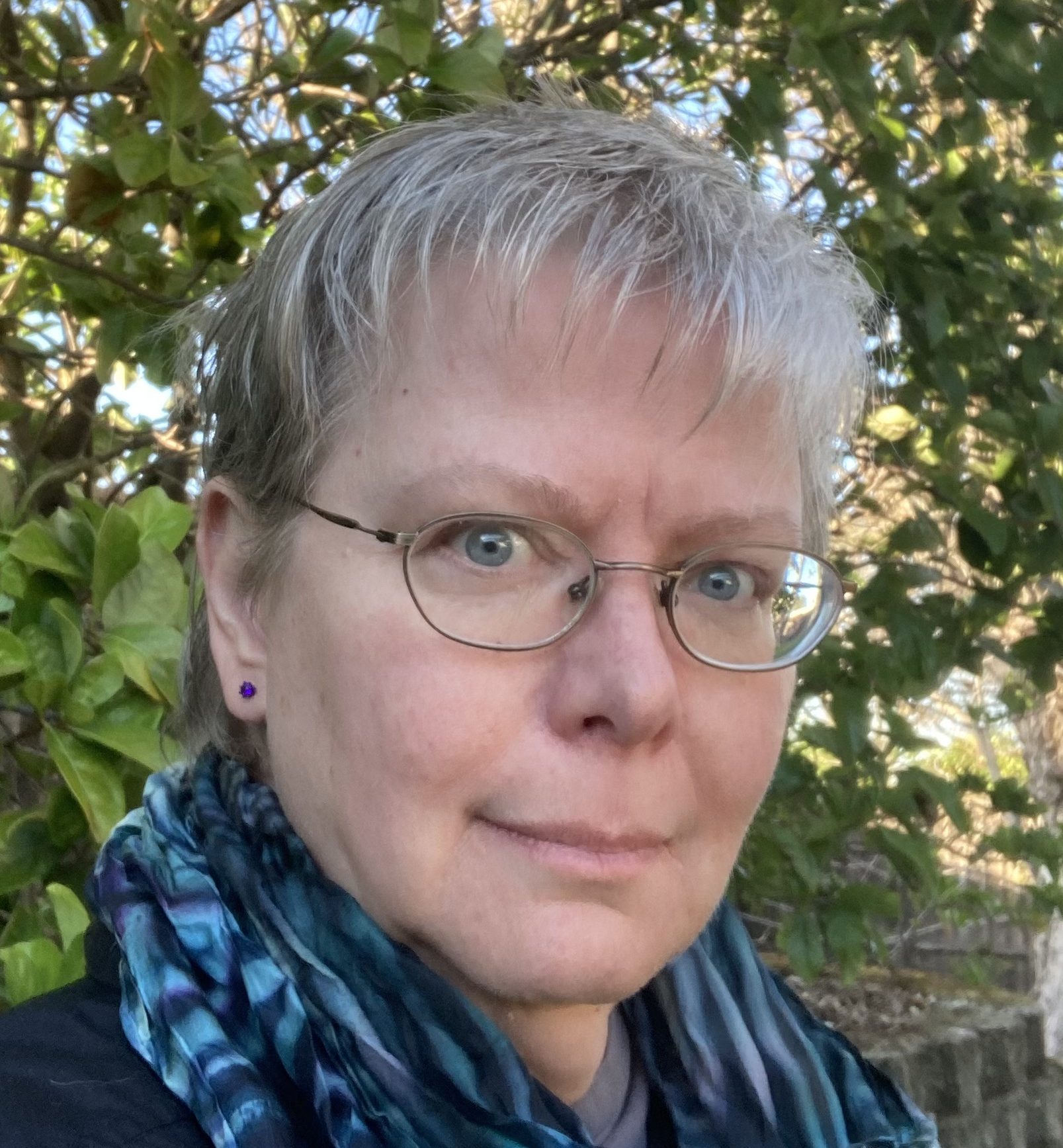
I’m Lori Lynne Armstrong, writer, poet, scientist, former counselor, recovering drug addict, mother, person with bipolar disorder, science fiction geek, and a bunch of other things. The order in which all of these manifest varies wildly. I’ve written two books so far and plan many more. I almost wrote no books, because I almost died back before getting clean in 2011. Today I manage my conditions as responsibly as I can and write in ways that try to reach out to others and reduce stigma and shame.

Scroll down through the blog to see snippets of my life as I navigate the maze of writing and living in a complicated mental and emotional landscape. I like to share my process to make others feel less alone.

And click on the links below to access my books on Amazon and Kindle! They’re very good. I hope something in them makes you feel more seen or see others in a new light. I think it will.

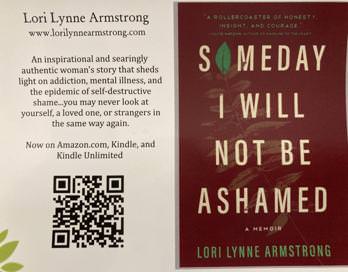
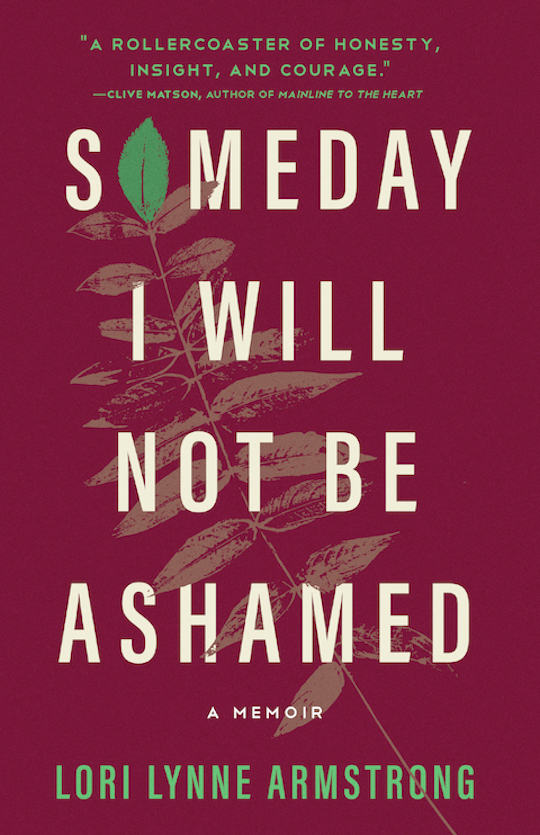
Someday I Will Not Be Ashamed: A Memoir

My story of a self-destructive quest for perfection that led me from aspiring scientist to opioid addict, from the halls of M.I.T. to the corridors of the psych ward, from therapist-in-training to a therapist’s problem patient, and, at last, beyond shame to an unlikely self-acceptance.

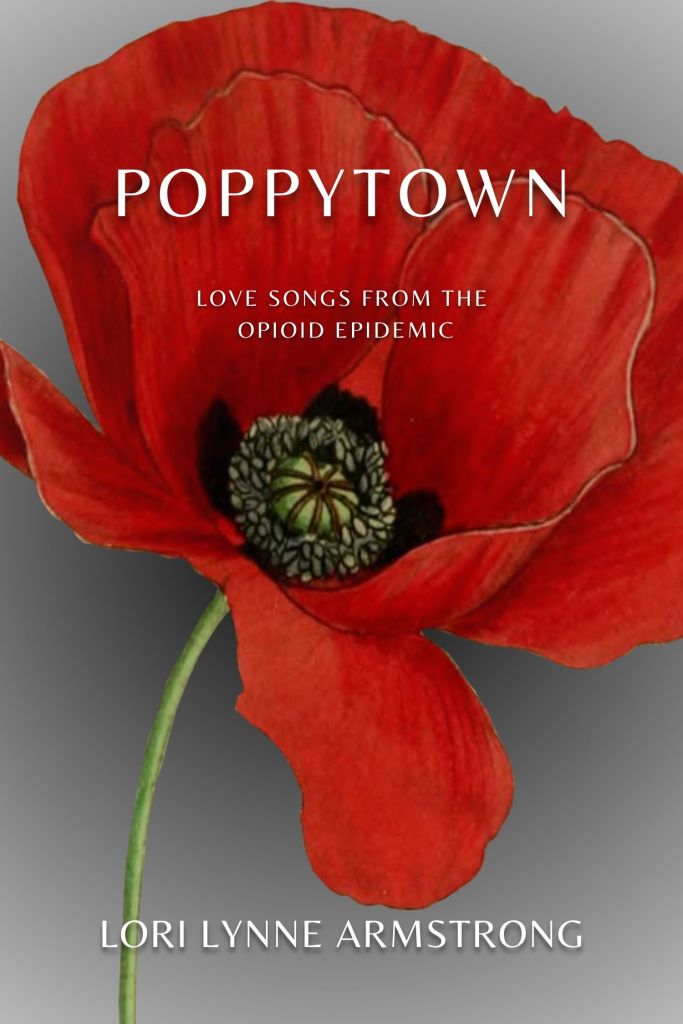
Poppytown: Love Songs from the Opioid Epidemic

This unique poetry storybook dives into the impact of addiction on all of us. It includes voices from addicts in all stages of illness and recovery, but also the voices of parents, children, partners, and professionals who try to help.

Stigma Busting

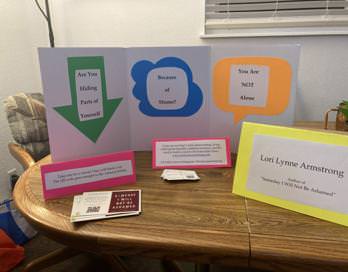
Today I’m going to be at a book fair. I’ll sit at a table with copies of my book, business cards, postcards, and other paraphernalia that begs for attention. I am not sure what to expect–I don’t have as many extra author’s copies as I would like; I might sell out and have to encourage people to use my QR code to go straight to Amazon and buy it. On the other hand, I might sell only one or two the whole afternoon.

It’s doesn’t matter. The coolest thing about the book fair is that I’ll get to talk to people about the stuff in the book…mental health issues, addiction, shame, perfectionism, eating disorders, impostor syndrome, etc.–But it’s more than just talking. In person, I fight stigma not only by sharing my experience with honesty, but with the way I look. What I mean by that is that, in the realm of addiction for example, many people have conscious or unconscious ideas of what a junkie looks and talks like. And I, physically, look nothing like that. And I talk like the love child of a poet and a psychologist.

It’s one way to help people know that addicts are everywhere, and we look just like you. And the mentally ill are everywhere, too. And the person who looks so confident on the outside could be drowning in a swamp of shame.

(Haven’t read my book yet? It’s not too late!)

Abandoned

It’s said that a poem is never finished, only abandoned. This could apply to any creation, of course, but it’s said a lot with poetry because tiny revisions matter so much it’s hard to stop doing them. As I prepare to pronounce Poppytown ready for publication (in the midst of the mental health crises happening in my family, and yes, I’m clinging to my writing projects when I can as a way to keep centered) this saying is right on target.

Poppytown, my poetry compilation about the opioid epidemic, is a true labor of love years in the making. Calling it done really does feel like abandonment. And I question my decisions…am I stopping too soon? Could it be better, or much better, if I spent another month or year on it? Am I being influenced by my desire to have the pleasant feelings that come from having a new book?

Perfectionism is almost always my enemy. But I do want to make sure impatience and eagerness to have more energy for my next projects aren’t the only things driving me. I want to make sure, as much as possible, that finishing the book benefits it and my life more than continuing with it would.

Writer For A Day

I’m starting to really like going to in-person gatherings of writers. It’s not just learning cool things, or meeting people, or networking. It’s identity. For a couple of hours, I’m a writer first. My neurodivergence, my recovery from drug addiction, my parenting challenges, or my physical issues might come up in conversation, but only in terms of how they affect my subject material or writing practices.

That’s precious to me right now. I need these moments at a time when other areas of my life are in crisis and I feel overwhelmed or defeated. Being in a place where I have full permission to embrace my writer/author persona is a welcome vacation from everything else. More importantly, it reminds me of the part of myself that is indestructible. No matter what happens, I remain a person who creates. Even something stops me for a while, that basic truth remains as it remains for all of us.

Dipping a Toe Into the Water

How do we return to productive writing after a period of being away? All authors face the problem, but most neurodiverse and/or disabled authors deal with it more often and more intensely. An episode of poor physical or mental health can make our writing projects seem to be on a distant planet. When we improve, we must find a way to bring them back to us with a style and a pace that fits our needs and our capabilities..

Do we chain ourselves to a desk and dive into a marathon writing session? That may work for a few of us, but most of us need a slower approach. We craft an approach that fits us, and we may struggle with internalized ableism in the process.

For me, stage one of returning involves no writing at all. I just read. I pull up the files on all my current projects and read what I have as if I’m examining the work of an author who is a stranger to me. Then, in a day or two, I give myself a very small and specific assignment. Not “I’m going to work on this” but rather “I’m going to write X scene.”

That’s all very nice. Where it begins to suck is when your condition causes your life to be a nearly constant process of leaving and returning to your writing; when most your writing time is in “recuperation mode.” Which means your productivity is a crawl compared to what you think of as “normal” writers. And you have to live with that, and keep writing what you can.

Show and Tell

I got to show my book to in-the-flesh other writers this weekend! As part of my effort to get less isolated, I went to a new members’ gathering of the writing club I recently joined. It was awesome. My social awkwardness was almost absent–it probably helped that we all could assume ourselves to have something in common. There didn’t have to be any awkward small talk; every conversation began with “So, what do you write?”

I brought a copy of my book, of course, and so did other people who have published, whether independently or not. It was fun to see theirs and exchange information about covers, formatting, and the other things we had been through. Although I would have felt equally welcome if I hadn’t had a book yet, I loved having it to show. I was like a happy kindergartener who had the perfect thing to bring in for Show and Tell (is that still a thing? I hope so).

It helped remind me of why I wanted the book finished and available; I wanted to be able to say “Oh, you want to know more about where I’m coming from? Here’s where you can find it.”

Of course, after having so many conversations, I was beyond overstimulated and spent a sleepless night, crashing the next day. To be expected. But I’m really excited about future interactions with the group. I’ve seen in the past that great things can happen when I reach out; I never know when one decision will bear surprise fruit.

I’m Alive! Now What?

I’ve been depressed. Seriously depressed. Couldn’t write, couldn’t bring myself to be on social media, couldn’t bear to pop into my account and confirm that my book’s not selling. Family members had some medical stuff lately, and doing the necessary left me with zero strength for anything else.

As a neurodivergent writer, this is one of the challenges to a creative life. How do I dip my toe back into writing without getting overwhelmed with embarrassment or shame at having been absent? The presence of these episodes for me is one of the reasons I chose independent publishing; I wanted a lifestyle where gaps in productivity wouldn’t hurt anyone but myself.

So here I am, with my book swallowed by the Amazon algorithm, which is to be expected. No one’s going to buy it if they don’t know about it, and no one’s going to know about it unless I carry out some of my plans for promotion. One tiny step at a time, I need to work on this, and work on my upcoming projects. And keep from comparing myself to other authors.

Yeah, right. But I went to a poetry reading yesterday, and I joined a local writers’ club. That’s something.

Good News, I’m So Close!!

My proof copy came! It has a couple of minor aesthetic issues in its interior that will require an annoying pass to make corrections (I’m at chapter 4 of 39 right now, ugh) BUT the cover looks awesome, the interior text and margins look great, spine text nicely centered, the size I chose feels just right…in short, it looks like a real, live book that does not scream “self-published.”

Some might say that the amount of work I’ve put into the print version doesn’t make sense, because the overwhelming majority of people who read it will probably be reading the e-book. But I wanted the print version to feel pleasing and right to those who enjoy print books. Print versions are also what one takes to in-person readings and other venues.

Anyway, the time is coming, very soon now, when I’ll announce that the book is live. In the meantime, I need to stay focused, make sure to take breaks, and not forget to take care of my physical and mental health (because I can’t get away with letting those slide. It doesn’t turn out well).

Just a Little Longer

When my book’s actually published, will I be able to stop torturing myself about whether self-publishing was the right road to choose?

So close. Someday I Will Not Be Ashamed (click on the SIWBNA tab if you want to know more) is so close to being ready to go. But the formatting needs one more good pass, and I won’t be able to do a proper job of it until next week after I’ve recovered from a minor surgical procedure. And I’m struggling with the urge to hurry up, for no good reason than because I am tired of second guessing myself.

Let’s go through it one more time. The reasons for me self-publishing are:

  1. Flexibility–if I have an episode or am otherwise incapacitated, I’m not inconveniencing/hurting the profits of anyone but myself. This is the most important reason, triggered in part by my latest episode I’ve struggled through, and it’s about an honest evaluation of who I am and what kind of lifestyle I’m suited for.
  2. Autonomy–I don’t have to depend on the goodwill of others for my book’s existence. (Other people are vital to my efforts at helping readers be aware of the book, of course, but my book can’t be “orphaned,” which is a thing.)
  3. Simplicity–this is a reason specific to me and my plans. I’m planning more publications, some large and some small and short. Some would definitely be self published. By self publishing this book, I’m paving the way to treat all of my books the same rather than deal with separate sets of data.

My reasons not to self-publish can all be distilled into what-ifs and FOMO and “hey, my friend got a book deal, that could be me,” and “people will see me as a failure” and “nobody will read it,” etc. etc. and I am ready for those voices to shut the fuck up.

Another Step Toward Reality

The book cover for Someday I Will Not Be Ashamed is done. DONE. All the revisions and changes and nitpicking, all the asking for blurbs and deciding which to use, all the coming up with the right synopsis, bio, and author photo, all the realizing that my painstakingly chosen back cover text needs to be slashed by more than half…it’s all done. The front, spine, and back of the print cover are done. The ebook, of course, only uses the front, so a lot of this sweat has been about the print version.

So where am I now? Finishing up the formatting…I confess, I caved and bought Atticus to help me. When that’s done, it will be time to upload the print manuscript to the Amazon publishing platform (KDP). The usual way of doing it is to upload the print manuscript, order a proof copy to inspect, then take the print book live the same day you upload the ebook.

So a time will come, not long from now, when I announce my launch date. It’s getting more real all the time.

The Demons Are Screaming

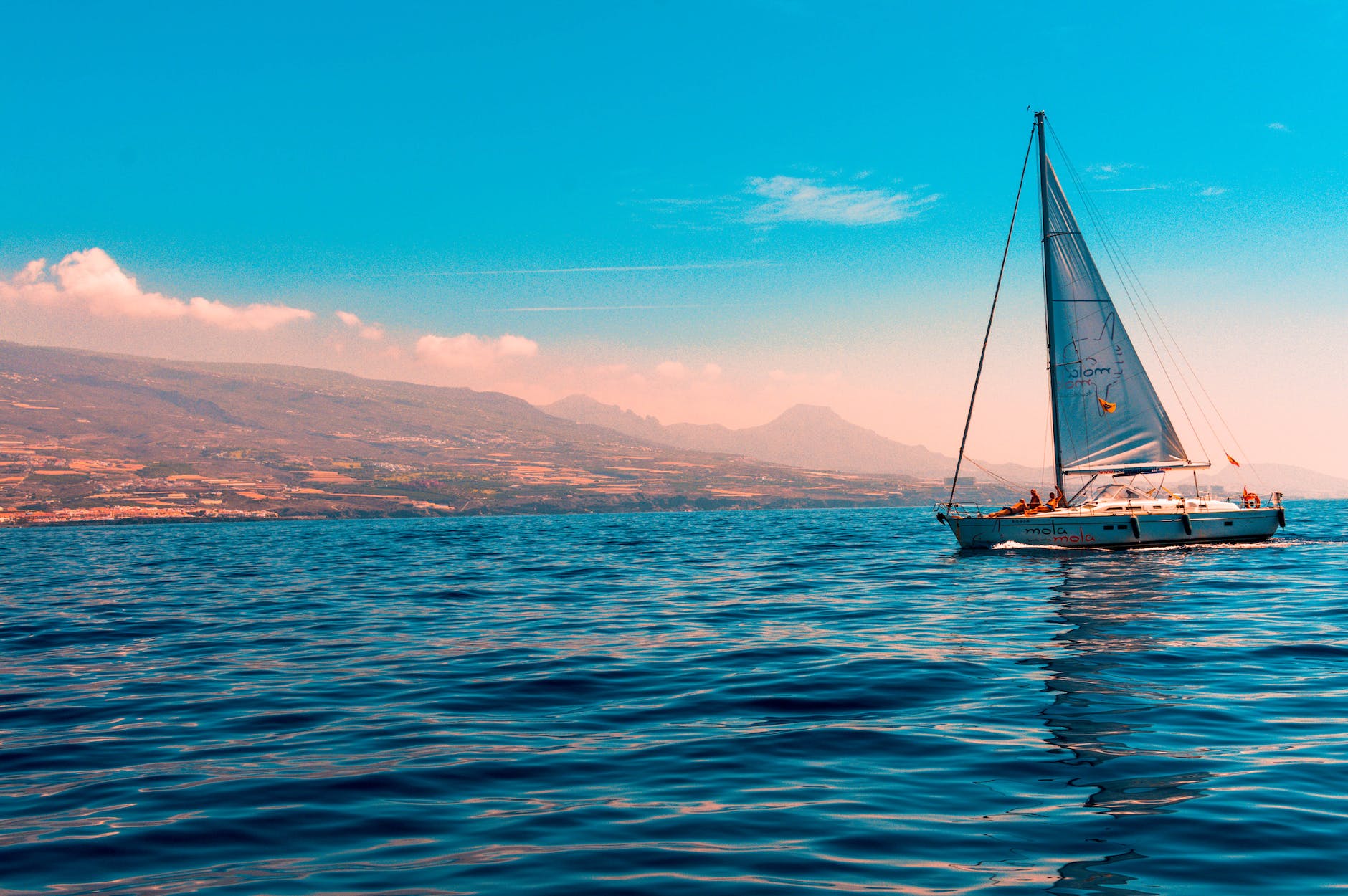
I’m on a boat, steering towards my destination, and a bunch of demons on board are shrieking at me. If I steer away from where I want to go, they settle down, but if I return to my course, they start yelling again. Louder and louder, closer and closer to my ears.

This metaphor comes from Russ Harris, author of “The Happiness Trap,” a book about the field of acceptance and commitment therapy. He uses the demons to represent the self-sabotaging parts of ourselves. There are many metaphors like this, but I took a liking to this one. It’s easy to imagine myself at the rudder of the ship, trying hard to keep a firm grip and a focus on the horizon, while progressively larger and louder demons caper around and try to distract me.

His metaphor also has a very important detail: the demons can’t actually do anything. They don’t have the power to touch the boat’s controls, or touch me, or damage the boat, or anything else tangible. All they can do is scream.

Anyway, right now, they’re very loud for me. I am navigating some of the important pre-publishing milestones for my book, and the universe has challenged me with a severe back pain episode for the last week. As I shuffle and stagger around the house, the demons try to convince me that I shouldn’t work on anything. That this publishing thing is sure to go dreadfully wrong and who do I think I am to publish a book anyway, etc.

I am worried about my back, and the fact that I don’t know how long it will be before it improves. As a previous abuser of painkillers, pain is an emotional topic for me. The demons amplify that as they try to convince me I’ll be in pain forever and that I can’t be creative while in pain, therefore the writing part of my life is over…yeah, yeah, demons, I’ve heard it all. Still sailing though.

Formatting My Brain

So, I still hate my book. Understandable. But I’m making progress on trying to format with Word. Word, if none of you have ever tried to format a book length document with it, is hard. There are three schools of thought about book formatting–the first is “hire a professional you idiot,” the second is “you can do it yourself, but only if you buy our specialized software,” and the third is “yeah, just do it in Word, no big deal.” Since my husband’s a computer geek, we decided to try Word, with the option of giving up and buying software from option #2 if we suffer too much.

What I’ve learned so far is that Word and my brain have a something in common. They both do a kind of “butterfly effect” chaos in response to change. For example, I commanded Word to change the chapter headings from bold to italic. In response, Word did that. Yay me. But Word also removed all italics from chapters 2, 17, and 30. Okay…

I’m trying to deal with my frustration by comparing this to my body and brain. If I change my diet, I lose weight. Yay. But I also have a hypomanic episode. Boo. If I exercise more, my legs get stronger. Yay. But I get a UTI. Boo. If I get some extra sleep, I feel less tired. Yay. But I get disoriented. Boo. Any departure from the status quo has unpredictable effects.

We’ll see what happens with Word. Trouble is, you can’t maintain a status quo when the whole point of the process is to change your document.

I Hate My Book

No one can read a piece of writing this many times, over this many months, without beginning to despise it. Doing the final formatting for self-publication is just the latest round of this. Sentences I once loved appear trite; passages formerly judged effective sound cheesy. The book as a whole, described by one reviewer as “a rollercoaster of honesty, insight, and courage,” has instead become a self-indulgent rant.

I know I am not alone; I take comfort in the stories about other writers’ processes. But right now it’s hard to imagine ever falling in love with my book again. And it’s hard to imagine feeling much but relief when it’s done; relief that it’s gone from my desk and I can work on other things.

Right now, I’m coping by trying to pretend this isn’t my book. I’m pretending to be a professional that the author has hired to prep the book for publication. It’s not my book. I don’t need to edit the content. I don’t need to have an opinion about it. I just need to do the work.

Ugh.

Write Faster

I’m worried about the future of my brain, and this is one thing behind my decision to go with the faster, more individually controlled, and more flexible process of self-publishing. Like Hamilton, I feel I need to “write like I’m running out of time.”

I really am grateful that my long process of meds adjustment is finished–but the new status quo involves the maximum therapeutic dose of two meds where there was one. My anxieties don’t like this…will I need a third in a few years? A fourth? Will everything just stop working?

The cumulative effects of bipolar disorder, treated or not, on the brain are not well known. But there’s some data indicating an ongoing impact on working memory, executive function, and other abilities. I may experience more than the normal age-related hits to my cognition as the years go by. They might form a gentle slope or abrupt drops. I don’t know.

Right now, I’m still working on formatting Someday I Will Not Be Ashamed. I hope to publish it in late April, maybe May. Once it’s done, I can turn my attention to the next set of projects, knowing there’s a part of me anxious to say everything I want to say while I still have the ability to say it. We all face an uncertain future, both inside and outside ourselves. I guess I’m just feeling especially aware of it right now.

Hoping to Reach Out

Why did I write a book? I have to remember, every time I get overwhelmed with publishing details or start to worry about nobody ever reading it, that I had a very specific reason for going to all this effort. I wanted to reach out.

I keep reading depressing statistics about self-published books–but I have to remember that if my book makes even one person feel less alone, or gives one person a bit of a window on what a loved one is going through, or alters one stigma-supporting assumption a person previously had, then it was worth it all.

Sometimes it’s hard to remember that not everyone knows the things I know! Clinical depression and other mental health shenanigans have been a normal part of my life for so long. And being an addict is normal for me too, even though it has been eleven years without drugs. It’s alive and well, not only in memories but in my current and permanent struggles with food. It’s hard to understand that not everyone knows what it is to compelled to do something self-destructive…and to lie, steal, or otherwise act in a way their own values abhor, because they are driven by an overwhelming craving.

When I do remember these things, these differences between me and the “normal,” it helps me to recall that my book has a useful purpose.

Cover Art in Progress!!

Exciting news about the memoir…I just got my first round of potential cover designs! My task was to review them and give detailed feedback to guide the artist in making a second round. Turns out I had a clear favorite, so that made it a bit easier.

There are a lot of professionals out there to help a self-publishing author…help with editing, with formatting, with the actual upload process, etc. My editing is already done, and due to financial limitations my computer geek husband and I are going to try to do the formatting ourselves with the help of some of the great software out there…but the cover was the one area we knew needed a professional. The cover is of paramount importance, since most people first see the book as a thumbnail online. So, I bit the bullet and hired someone. And seeing even this first round makes me glad I did.

I’ve learned a lot during this process so far. Before the artist did the first round, they asked me to provide them with a lot of information about what I wanted, including references to existing book covers I liked in my genre. I did a LOT of scanning through Amazon and library software to find a good list. It was illuminating…what do I like in a cover, and why? What turns me off, and why?

Anyway, I can’t wait to see the second round. And it was delightfully surreal to see my title on what looked like a real book.

I Surrender

To live with conditions like mine is to live life in a cycle of denials and surrenders. “Sure, I can do the thing!” is followed, days or weeks or months later, by “well…no, not in a consistent or sustainable way, so I shouldn’t have said yes to anyone who is now inconvenienced or even hurt by me not being able to do the thing.” Knowing where to draw the boundary between what I should and should’t commit to is a lifelong learning curve.

I’ve had a dream of finding a literary agent for my memoir. I dreamed of what might follow if I hit the jackpot and got one. But recently, I had an extended bout of hypomania bad enough to require a meds change and its own struggles with side effects. It made me remember how unpredictable my life, and my ability to function, is.

It was time for me to take a look at what kind of lifestyle I’m suited for, and what kind of lifestyle I want. The answers led me to a surrender and a shift in my plans…I’m going the self-publishing route. A route on which, if I’m unable to do promotion efforts during a dip, I’m impacting nobody but myself. I had already planned to do this for my subsequent poetry and smaller prose books, but wanted to do otherwise for the memoir. Now, I’m going to treat them all the same, for simplicity’s sake.

Self-publishing is not easy. It’s a lot of work and a whole new set of tasks to learn. But I can do it at my own pace, and I can manage my promotion efforts according to my abilities.

My body knows my decision is the right one (have you ever felt your body react to a decision? It’s weird, but unmistakable). I feel better than I have in months. Let’s hear it for surrender.

Channeling Oliver Twist

“Please, I want you to read my book.”

Today I sent out my first book blurb requests. These are the brief, eye-catching reviews/comments that get displayed on your book’s back cover or dust jacket. Hopefully, they’re from someone authoritative in the field the book is about, or the author of better-known works like yours. So requesting them means asking for the time of someone who’s probably pretty darn busy/in demand/gets lots of mail like yours.

Eeeek.

I chose the first round of attempts carefully, and I hope realistically. Let’s face it, getting someone to read a first book isn’t easy. But I did include two “swinging for the fences” people in the batch, people who’ve been inspirational to me for decades. It was more of a symbolic gesture than anything else, to be honest, but there’s always that one-in-a-billion chance.

The process was a lot like querying, but even more individual…I did make a basic “blurb request template letter” but I altered it a lot for each person to reflect why I chose them and why they might want to consider the book.

I feel good about getting the first batch out. Now I need to relax and focus on other things for a bit as I wait for positive or negative answers, or for cricket noises of sufficient duration to let me know no answer is coming.

Micro-Learning

It’s still hard for me to learn new things when I start out sucking spectacularly at them. I think we all get discouraged if we don’t show any kind of talent at the beginning…part of it’s embarrassment; part is more pure ego (If I can’t be the best, why bother?).

One area I’m weak in is technology. I’m not the worst for my age, but I need to get better, and right now my nemesis is video editing. I am learning how to use iMovie, and to say I am finding it bewildering would be an understatement. But with perseverance, and a bunch of humility, I am improving.

My secret is micro-learning. With the invaluable aid of YouTube, I learn one or two itsy-bitsy things per session. I’ll search something very detailed…how do I rename a project? how do I import an audio file? Not trying to tie it all together yet. Then I take notes for myself on the thing I just learned, because my messy brain is almost certain to forget it the next time I sit down with a project.

It’s an accomplishment for me, because it goes against a very old pattern. I got into a good college on the strength of some natural talent and a lot of natural test taking ability. When I found myself dealing with much harder material there, I had no idea what to do when I was bad at something. I didn’t know how to learn…and I definitely didn’t know how to ask for help.

It’s taken decades, but now I know how. And as long as I can learn, whole worlds are open to me.

Waiting for the Other Shoe

Uh-oh…I feel good today. The side effects of my meds change have died down, and the new med is looking promising. I’m a bit less hypomanic, I’m sleeping a teeny bit better, and my morale is up. Thinking about my writing projects and publishing issues, while still chaotic, doesn’t feel quite as overwhelming.

So, I’m waiting for the proverbial other shoe to drop. I’m waiting for a relative’s health to take an abrupt turn for the worse, or for the dog to start throwing up, or for the nearby oil refinery to have a toxic leak. Because people with brains and/or backgrounds like mine are wired to expect disaster.

That’s one reason I carry a deep conviction that feeling happy is always the precursor to trouble. The other reason has to do with the deep shame I still battle–not the shame over things I’ve done, but the unexplainable shame I seem to have been born with. It tells me that there will always be a price for any happiness I experience; that in taking anything for myself I am stealing it from the world.

All this makes it harder to appreciate days like this, but I try. It’s a gorgeous fall day here in Northern California. We won’t be on fire again for several months, and the air is crisp and fresh. I got five glorious hours of sleep last night. My favorite jeans are clean. So is my hair. And there’s nothing I have to do for the rest of the day. Life is good.

New Name

Just a quick note to any repeat visitors…you’re not imagining things; I did just change the name of this site. I decided that, in the coming years, having it and its address just be my name will make the website easier for people to find. It also reflects the fact that the site has become a bit more eclectic. The things I’m sharing have always been diverse, but most were focused on mental health, addiction, or, more recently, the psychology of writing. But now I’ll also be sharing news about what happens to the varied stuff I write–and, someday, links to my work itself. And how awesome is it that I’m thinking years ahead; that I fully expect to keep writing different things? Even when I’m scattered and frustrated with myself for being unable to focus in on one sometimes, I am aware that every dream is a gift.

Don’t worry, though, there will still be plenty of words about other aspects of what it’s like to be a bipolar recovering addict with an eating disorder! The conditions I live with sit with me, write with me, and dream my dreams with me. They will always be part of how I present myself to the world, because it’s a way of reducing stigma and perhaps making a reader here and there feel less alone.

Yay! I Suck!

ENOUGH got its first rejection letter! And I’m trying to celebrate, because this is a milestone I’ve been waiting for. You see, to get a rejection letter you have to have sent a query, which means you have to have finished something to the point of being ready to send a query. You have to have done a proposal. You have to have come up with a query letter. And then, you have to have navigated the requirements of the particular agent you’re querying and done the annoying chore of altering your materials as needed.

I did all that. It feels like the final rite of passage from the realm of “I’d like to write a book” through “I am working on a book” to “I have written a book.” Even though I’ve had a full manuscript and been revising it for more than a year, sending it out for the first time makes it feel like a Book.

All through this process, I’ve been managing my expectations. I’ve planned to query for a certain amount of time and then, if nothing happens, look at hybrid or self publishing. My hypomanic brain jumps ahead and tries to plan for that stuff now, even though it’s not time yet. It doesn’t help that I do need to learn more about these realms for my other projects.

But right now, celebration. I’m told that everybody’s really backlogged between now and the new year, so I’ll probably wait until January before sending out the next batch. In the meantime, I want to focus on other projects and not worry about publishing…because the question of how to publish these is irrelevant until they actually get done.

You hear that, brain? Would you kindly turn off the hypomania and let me focus on one thing? Consider it a holiday gift.

Gratitude. Ugh.

Sometimes I worry that a person in pain will take gratitude-related advice as “suck it up, whiner!” I feel that inappropriately-timed reminders of gratitude’s importance can be condescending, minimize the importance of someone’s pain, and make them feel it’s not safe to express said pain.

That being said…yeah, cultivating gratitude is vital. Ugh. It’s as necessary as air for me, because self-pity was the biggest saboteur of my early attempts at drug abuse recovery and at managing my mental health. I felt sorry for myself when it become clear that recovery wasn’t going to make my brain normal, or let me sleep, or get me to a level of functioning suitable for the kind of work I wanted to do.

Today, it’s helpful for me to at least attempt a gratitude-centered perspective when things are tough. And my past gives me lots of useful fuel. Annoyed that my back hurts after doing dishes? Remember the many times dishes weren’t even an option. Feeling frustrated that I can’t be of more help in my daughter’s health struggles? Remember how close I came to not being there for her at all. Tired or scattered about my writing projects? Remember I could have died without writing anything.

My place is a mess? Got a place to live. Hate cooking? Got food to cook. Getting old? Beats the alternative. I can go on and on–if I’m willing to go there. But does it really do anything? It doesn’t fix everything, that’s for sure. And it won’t help if I try to force it because of a sense of duty or shame…”why am I sad? I should be grateful…”

But if I can let gratitude in, let it coexist with my other perfectly valid emotions, it will help balance my tendency to dwell on the negative. And I can use the help.

Off Switch

How do I get my brain to STOP? When I know it’s tired enough not to be productive, or I know I’m not well enough to be productive anyway, what button do I push that will convince it that it’s OK to relax and not learn or create anything right now?

Well, what button BESIDES drugs, compulsive eating, and other destructive things? For over a decade, I used ever-increasing numbers of sleeping pills because my brain wouldn’t yield to anything less than a chemical hammer. Opioids during the day also soothed my hyperactive brain. A box of donuts is usually good for shutting it up, but eating large amounts of junk comes with a high physical and mental cost.

I know, I know…I should exercise and meditate. Well, my Tai Chi classes finally reopened, so that’s a step in the right direction. But except when I am actually doing it, it doesn’t seem to change much.

Right now, for example, I just stopped in the middle of typing this to grab a piece of paper and write down an idea about how to fix a problem with the video editing I’m trying to learn. I had to remind myself that I’m in the middle of something.

What I really want to do is unplug for the day. It’s Friday afternoon, there’s nowhere I need to go, and I only slept 2 hours last night. I want to zone out and play Minecraft, or put an old, comforting movie on. And my head hurts from the video editing stuff. And I don’t want to think about the different projects I am working on, or how messy the house is, or my latest NEW writing idea. I don’t want to think at all. But the mild hypomania that has been in play more often than usual for the last few months means I spin, and spin, and spin.

The Arena

Sometimes, for me, dissolving a block requires brute force. Screw letting my creativity flow and bubble spontaneously–been there, done that, and this poem still won’t yield even a rough draft. I haven’t written a new poem for months–got preoccupied with memoir tasks, then found when I returned to Poppytown that my efforts at creating drafts for the missing poems met with internal silence.

Yesterday, I vowed to make a rough draft of something. No matter how rough. Jagged, uneven, sharp-edged, whatever. I dragged this title into the arena and swore that only one of us was coming out alive. I took out the paper with the poem title on top. I set a timer for one hour. Go.

And it worked. There’s a draft now. I’ll worry about revision later–what matters is that there’s something to revise. Is it as good as the version of the poem that may or may not have ever come to me in a gentler way? I will never know. But I’m pretty sure it is better than a blank page.

Turn the Faucet Back On

I can’t get out of “edit” mode. I’ve been in “edit” mode for so long (to me, this mode includes things like proposal writing, research into agents and publishing options, etc.) that I’m having a hard time switching back to “flow” mode and actually creating something. Right now, I have some waiting to do in terms of getting my memoir queries ready to submit, so it makes sense for me to be working on other projects in the meantime. Especially Poppytown, which is slated to be the next thing completed. There are poems still to write for that…and I can’t seem to turn on poetry-writing mode!

Yesterday, I did some useful organization…created a binder with everything I have, then inserted a blank page with title only, placed in its proper order, for every poem that is conceived but not yet finished. The idea is that when I’m ready to tackle a certain poem, that blank page will serve as initial brainstorming space. Having it in order will let me keep the book as a whole in mind. So that’s all good. But it won’t help unless I can take one of those pages and produce a poem.

I know anxiety/information overload is part of it…half an hour of research into the world of publishing can leave my overactive brain whirling and lead me to a night of nail-biting ruminations. Maybe it’ll be less overwhelming as I learn more, but right now every fact I learn sends me down a new rabbit hole of information, some of it contradictory.

If I’m going to be an author, I have to learn to switch between modes. I have to learn to compartmentalize. When writing and revising my memoir, I managed it by deciding I wasn’t going to think about what to do with it until it was done. But that won’t work any more. I’m sure I am not the only writer to struggle with this, although my weird brain chemistry may add a bit of exotic seasoning to the brain stew. It’s just another new thing to learn, at a time when I’m already learning a ton of new things but can’t afford to let any of them compromise managing my conditions.

Birth is Messy

I was hesitant to put information about my in-progress projects up on this site. I thought I should wait until each one reached a certain point…talk about Enough, but no, maybe not until I get it farther along the road to some kind of publishing. Don’t talk about Poppytown until the manuscript is actually done. Don’t talk about my Tarot hobby-turned-serious-study until I have a business identity, website, and YouTube channel up and running.

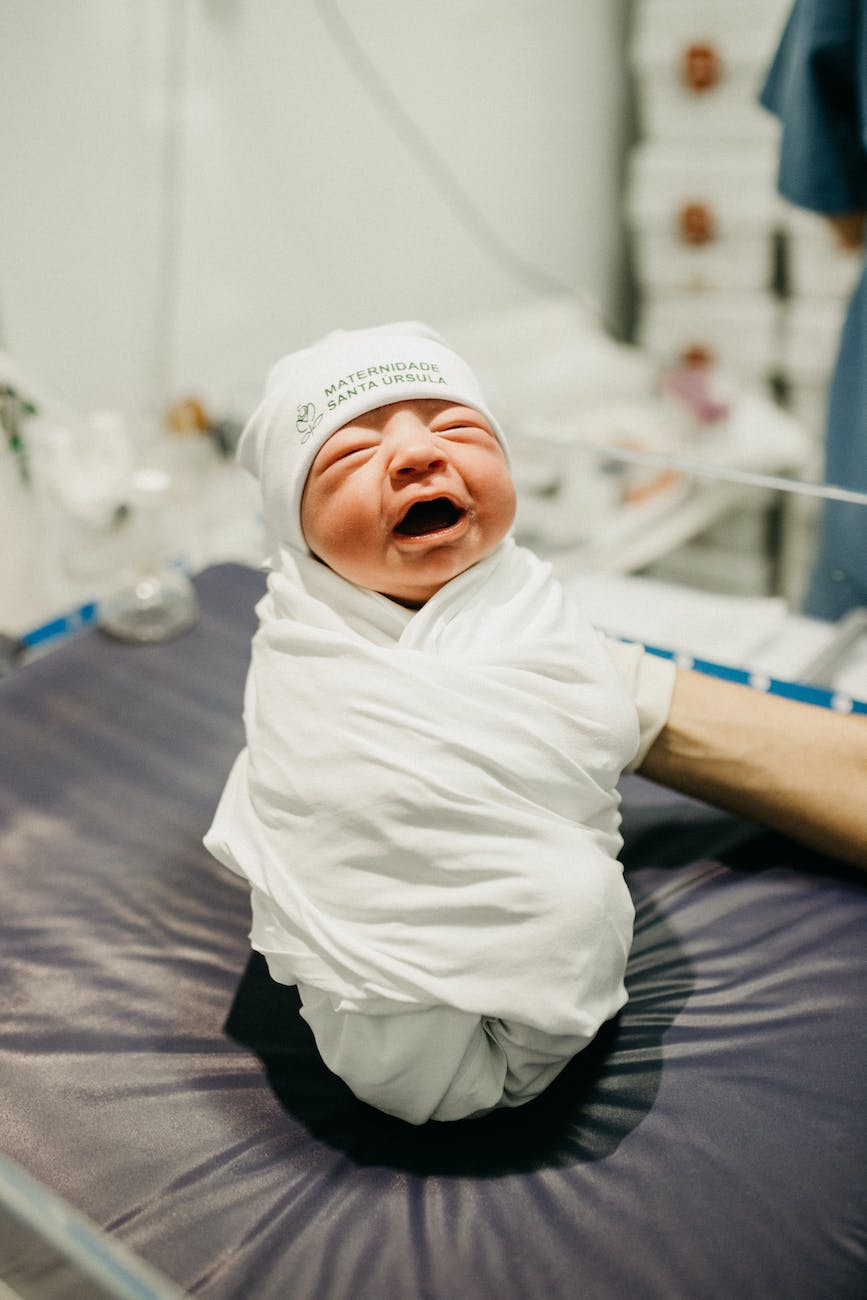
The trouble with these ideas is that the process is at least as important as the product. By talking about it, I have the opportunity to share a process; to let someone observe the gestation, birth, and development of something new. Pregnancy takes time. Birth is messy and inconvenient. And have you ever seen a newborn baby, as in minutes old? They’re funny-looking, they can’t do much, and they really need a bath.

So, I’m going to try to be honest about where I am with everything. My readers will get to watch my learning curves as I struggle with being the new kid in school in the realms of the literary world, technology, and business. I’ll look scattered, and inconsistent, and clueless at times. And?

Once More, With Feeling

This is what happens when you awaken the creativity of a middle-aged person with a mild form of bipolar disorder and decades of expression squished down inside them.

I’ve been neglecting this blog because there’s so much going on that I thought I would need to start a new one about my memoir project. Then I thought I’d need two new ones, because of my other book project. Then the experience of having finished a book fired me up with the knowledge that if I wrote one book, I could write others…and I thought I’d need a blog for those.

Argh! Enough! I’ve made peace with the fact that, like me, any blog I do is going to be multifaceted. So this’ll be the hub for it all…you’ll hear about different book projects. You’ll hear about living a creative life with bipolar disorder. You’ll hear about my successes and failures in self-care, my ongoing journey in recovery from opioid addiction, and whatever is helping me get by on a particular day.

Sometimes I’ll post old essays that never made it onto here. Sometimes I’ll write new ones. But mostly, I’ll try to write with honesty about my breathtakingly imperfect day-to-day life. The life of someone who used to live on the edge of suicide, but now lives on the messy, jagged edge of possibility.

Murdering My Darlings

An English author, Sir Arthur Quiller-Couch, coined the phrase “murder your darlings” to describe a good editing process. I’ve had to murder a lot of darlings while shaping my first draft, and I can only imagine how many darlings will meet destruction as the thing gets polished.

It’s hard! Especially when the darling in question is really–well, darling. Well-written. Poetic. Touching. A sentence, or paragraph, or even a chapter, that is wonderful writing but doesn’t belong where it is.

The chapters I wrote, one at a time, over the last two or three years contain a lot of writing that has to stay out of the book. Not because it isn’t good. It is. But the book has to have a story arc, and the content has to serve the arc. Not to mention issues around word count.

This week I cut the first chapter of the book. Just cut it, outright. I slipped a little exposition into what was Chapter Two, but all the writing from the previous Chapter One is gone. The book now begins in a completely different way.

Oh, darling. I’m so sorry.

Interrupted

I’ve been feeling overwhelmed by how far my two book projects have progressed…well, the universe found a cure for that! For two weeks, I’ve been flattened by a flare-up of my old back issues. On bad days I shuffle, stagger or crawl from bed to bathroom to recliner. My creativity is blotted out by pain and worse insomnia than usual. It’s frustrating as hell not to be able to do the dishes, take out the garbage, or even pick up things I drop.

In my counseling training, I met many folks who were in the field of “somatic psychology;” that is, the study of how the mind’s issues can affect the body. It’s a growing field, full of promise. But, like people in any field, students of this one can go to extremes. It made me crazy when anything from a sneeze to a sprained ankle caused classmates to start diagnosing some kind of emotional source.

That being said, mind/body connections are real…so am I somehow the author of this flare-up? Is there more going on than “shit happens?” Did my body arrange for me to be forced to take a break, to put everything on hold, to step away from all the “what now” questions about my manuscripts? All I can do is try to engage my thoughts with honesty as I heal from this.

Whether they are related or not, my mind and body both need to know that they don’t have to break down to get a break. Fallow periods are normal for any creative person. I’m allowed to have them without a physical or mental crisis existing as a reason.

Scary Progress

Here’s the thing…I wrote a book.

I have to say it that way now, because the rough draft exists. I’ve even let a few people read it and give me some basic feedback.

I have written a story about a young girl with an eating disorder who grew up to be a scientist, a mother, a person with bipolar disorder, a counselor, a drug addict, and at last a person who tries to balance all of these things.

It’s still got some editing ahead of it before I begin trying to take the next steps, but the fact that it exists is scary.

My second project, a full-length poetry compilation about the opioid epidemic, is also making frightening progress. I’d say it’s 60% done, including the hard part of deciding how to structure it.

What the actual fuck. How did this happen? If anyone had told me ten years ago…

Stop Writing Right Now!

That’s what my brain has been telling me for a few days. Whether it’s the result of my latest biochemical dip, or the stage of my projects, or environmental factors, is unimportant. And there’s no writer who doesn’t live with frequent self-doubt. Still, I hate it when the “stop writing” thoughts take over for days at a time.

They lay out, in excruciating detail, an array of reasons why my two big writing projects a) suck and b) are meaningless.

Sometimes they focus on the book and tell me it’s boring, self-absorbed, and won’t actually help anyone. Sometimes they focus on the poetry compilation and tell me it’s trite and not topical any more; that the pandemic means nobody cares about addiction even though overdose rates continue to rise.

I’ve done some reading about the nature of thoughts, especially the usefulness of being aware that what I think of as a thought is, in fact, nothing more than a set of words. It has no power. Whether a true story or a false one, it is a story.

I don’t beat myself up for buying into thoughts more when I’m in a depressive dip. It makes sense that my defenses get exhausted then. But it helps to know that I’m doing it; to see the process happening and know it is a process.

Five Minutes

I just sat down and wrote a list of five-minute activities. It felt pretty cheesy, but I need to find the willingness to pick one when I feel adrift instead of turning to eating or video games.

As I’ve written before, I’m fine with video games to a point. And I know where that point is; I’m not getting any fun or relaxation out of the game if I pass it. So unless I’m in near-crisis and just have to buy time, it is better to get up and do something else.

Why five minutes? It’s an attempt to break through the block that says something’s only worth doing if I’m going to go the whole nine yards. A walk has to be a long one, scrubbing a toilet has to involve cleaning the whole bathroom, etc. This perfectionism feeds into the “well, I’m not feeling up to all that, so I’ll wait for a time when I am.”

I’ve been ignoring my physical therapy exercises for a hip pain. The whole routine takes a half hour twice a day and feels as far from me as the moon. But wouldn’t it be better to do a few of the stretches than nothing?

Nonzero is always, always better than zero for me. Staring disgustedly at a poem draft for five minutes is light-years ahead of not bringing it before my eyes at all.

2000 Words

I’m revising an interesting chapter in my memoir/outreach book this week.

In the chapter, I’m 44 years old and in rehab (again) for painkiller and sleeping pill addiction. I’ve arrived here with the absolute conviction that it will not work; that this is just a way station between life and death. My plan is to stay long enough to clear my mind so I can write a few goodbye letters. Then I’m going to leave and kill myself so my family doesn’t have to deal with my addiction and mental illness any more.

All right…in 2000 words or so, describe this state of mind to a reader well enough to draw them in and give them a shadow of understanding. Convey the numb and matter-of-fact certainty of one’s worthlessness and lack of hope. Use images and scenes to increase a sense of reality. Make everything you’ve already written coalesce into this moment. Do this while making sure the writing is free of melodrama or self-pity.

Ready? Go.

Control, See?

I am desperate for some shred of control over my life, my future, my daughter’s future…control I do not have.

Some can take this desire for control and turn it into concrete action, no matter how small, toward improving the situation.

Sometimes I manage that, especially if I can define writing as a beneficial action. Said definition is of course a matter for ongoing debate. I can also make masks, however inexpertly, or clean, or cook meals for my family.

But as many of us do, I’m also seeking control in other spheres of my life. Spheres not directly related to the big problems; spheres where I can have a feeling of control.

Cue the eating disorder.

I’m hearing it from many sufferers…the stress is driving them to more frequent binges, or to more restrictive behavior if that’s a problem, or both.

I knew I’d never make it through these months staying the same weight. Maintenance is not my strength. I’m either going to gain a lot of weight or lose some. In an effort to choose the latter, I put myself on a stricter regimen a couple of months ago.

It’s helping me avoid binges. I’ve even lost a few pounds. But I’m achingly aware of how I cling to the faint sense of control it gives me. I’m thrilled when I lose a pound; I’m worried and upset when I don’t. In the face of this overwhelming world, my brain dwells on such a trivial thing.

I understand. I know it’s what brains do sometimes. I know I’m not alone. But it’s humbling to watch myself race in a circle, knowing full well why I’m doing it, yet still racing.

Chapter of the Week

Every Friday, I get to hang out with a few other writers and read the latest chapter of my book to them. The hanging out is done online right now because of the pandemic, but it’s still enough for me to make sure I at least revise a chapter for the week.

I’m at a stage where I’m going through the book chronologically and doing tweaks and consolidations. It’s the first time my group is hearing the chapters in order, because the first round of chapter segments were created and shared in haphazard fashion. Sometimes they skipped decades forward or backward.

Going in order is harder. It’s scary to be marching forward, one chapter a week, knowing that at some point I’ll reach the end of pre-written stuff for revision and have to write a few missing chapters at the end. Then an introduction. And then it will be a fucking manuscript.

And I’m doing this during the pandemic, with the future so uncertain, and my critical voice shouting that no one’s going to want to read anything about any other subject besides this for the next indefinite number of years.

Masks

I am sewing masks, the way many people are lately. I don’t sew very well, and I swear like Samuel L. Jackson whenever I stab myself with a pin, which is often.

I am asking myself frequently whether it’s worth the amount of time, frustration and literal blood it takes for me to produce a small fraction of what I see better sewing folks and/or those with more physical and mental stamina are producing.

It has been many years since I approached what I think of as a “normal” level of productivity. Because my disability is mostly invisible (unless you live with me) I struggle with internalized ableism and hold myself to a standard I will never meet.

I know I’m not alone. I know I shouldn’t compare myself to others. But sewing’s the least of it…I pour myself into my writing in little chunks, knowing I’ll never be able to put in the kind of hours, or networking time, or number of events others can.

These feelings are normal for me. They don’t get argued away. I just have to make sure my deeper beliefs coexist with them: Yes, what we do matters. Yes, every little bit helps. Write the book. Write the poem. Make the mask.

Holding On

So what’s the pandemic like through the eyes of a mental patient and recovering addict?

Well, there’s a lot of pressure to keep myself together, of course. Strong voices telling me this is NOT the time to have an episode or need a meds adjustment. And certainly not the time for a relapse on drugs.

It’s scary, because while not doing drugs is something I can control to a degree by practicing recovery techniques, the mental health thing is under less control. I can take my meds religiously. I can try to eat well and get a little exercise and do things that connect me to what I value. I can do all this, and it still might not be enough because neurochemical shit happens sometimes.

Meanwhile, all the “normal” people around me are experiencing levels of anxiety they aren’t used to. They need me to be functional so I don’t drain their energy away from managing their own stress.

“One day at a time,” is more real than it’s been for a while. I try to make plans…what part of mask sewing I’m going to work on today, what I’m going to eat for lunch, whether I’ll go for a walk. And while I do that I’m acutely aware of the degree of privilege I have compared to some of my fellow sufferers.

I have loved ones in my house. I have access to the medicines I need. For now, my family isn’t in danger of losing our home or not having enough food. I’m lucky.

Do you hear that, brain? We’re lucky. Now show your gratitude by refraining from any shenanigans until further notice.

Let Us Write Together

You are loud today, world.

This is not a week when I can even try to defy you, blot you out or forget you.

There is no muffling the parts of your voice that shriek at me not to write. That tell me it won’t matter, that any story I tell is unimportant. That thinking about the projects I cherish is shallow and self-absorbed.

You are here in the room with me, humming and babbling and singing.

So get comfortable.

I have found extra chairs.

Sit here, pandemic.

Read over my shoulder, climate change.

Correct my spelling, cruelty. Play with my paper clips, ignorance. Have a mint, fear.

Let us write together.